
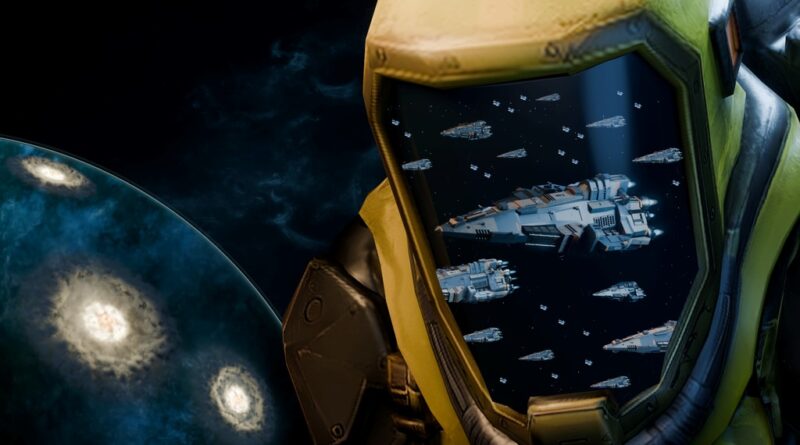
Horu Is a Solo Developer’s RTS That Promises Hundreds of Thousands of Units Fighting Across Land and Space at Once
A new real-time strategy game wants players to command armies on a scale most RTS games wouldn’t dare attempt. Horu, a science fantasy RTS and 4X hybrid from solo developer GlassBeaver, launched on Kickstarter this week, promising hundreds of thousands of units fighting across land and space at the same time, all built in a custom engine made specifically for the game.
Ten Years of Solo Development and a Custom Engine
Horu is the work of David Nadaski, who develops under the name GlassBeaver and has spent about ten years as a solo indie developer after more than two decades in software engineering, mostly on distributed systems and research and development. He built Horu’s engine, called GlassEngine, entirely from scratch in C++ with DirectX 12, covering everything from rendering to the game’s peer to peer multiplayer netcode. According to GlassBeaver, the renderer can push hundreds of thousands of high quality units and millions of particles while still running on a generous range of hardware, and every screenshot and trailer shown so far was captured directly in the engine with no pre-rendered content.
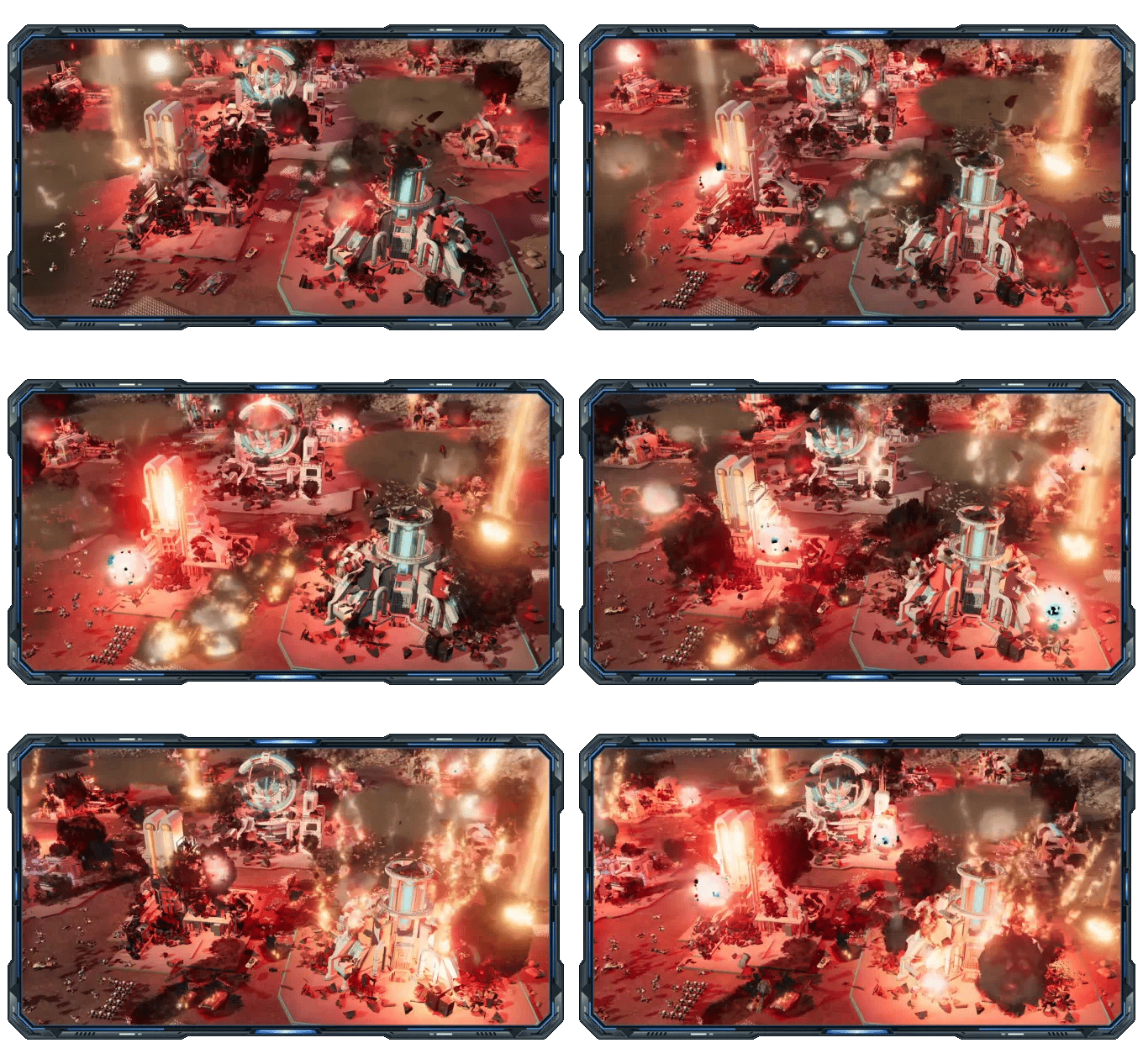
Horu lets armies fight for control points on the ground while a parallel battle plays out in orbit above them.
Simultaneous Land and Space Battles, Plus Spycraft and Magic
Where Star Wars: Empire at War made players wait for one battle to resolve before jumping to the next, Horu runs every fight at once. Players can move freely between the starmap, space battles and land battles while dropships punch through enemy blockades, foot soldiers push toward control points, and warships trade fire overhead. A drop zone system lets commanders assign landing zones and a set of orders that troops then carry out automatically, so huge armies don’t need to be micromanaged unit by unit.
Beyond the battles, Horu layers in empire management, a market for trading raw materials and alloys, spy networks for sabotage and stolen research, and a magic system that lets players call down meteor strikes or orbital bombardments. There’s even a boarding mechanic that lets fleets capture enemy ships outright instead of destroying them, pulling the vessel into their own fleet once its defenders are cleared out.
“Planetary battles should be huge invasions like in Total War.”
David Nadaski (GlassBeaver), Horu developer
More Than Half Funded With a Late 2027 Release Target
GlassBeaver turned to Kickstarter to help cover the cost of additional assets, including 3D models, textures, animations, sound effects and original music, saying the core gameplay systems are already functional. As of this writing, the campaign has passed the halfway mark toward its 20,000 euro goal, with the funding window closing on December 12. If it succeeds, backers are promised an early alpha build about six months after the campaign ends, with GlassBeaver targeting a full release on PC in November 2027.
Keep the adventure going! Check out more Gaming News on Gamersuniverse.
Picture Source: GlassBeaver’s HŌRU Kickstarter campaign