Japan Actors Union Unveils AI Guidelines That Would Ban Cloning Dead Performers’ Voices Without Consent
The Japan Actors Union, an organization representing around 2,600 actors and voice actors, has unveiled a new set of guidelines aimed at reining in the unauthorized use of generative AI on performers’ voices. Announced on October 16 and reported in English via Automaton Media, the guidelines are meant to protect performers’ rights while giving AI-related businesses a clear framework to work within, and they take direct aim at one of the thornier issues in the space: recreating the voices of actors who have already died.
Consent and Compensation at Every Stage
The guidelines call for prior consent at every stage of the generative AI process, covering training, generation, and publication. AI companies will need to clearly state their purpose and secure permission before using a performer’s voice for training data, giving actors control over when, where, and how their voices end up in AI systems. The union also classifies AI-generated voice work as a new form of “performance,” meaning companies will be required to pay royalties or compensation, a framework the union says is designed to let actors license their voices for revenue rather than see AI treated purely as a threat to their jobs. The same consent principle extends to AI-assisted dubbing and translation, guaranteeing performers new usage licenses and extra compensation when a localized voice track built from their performance gets distributed overseas.
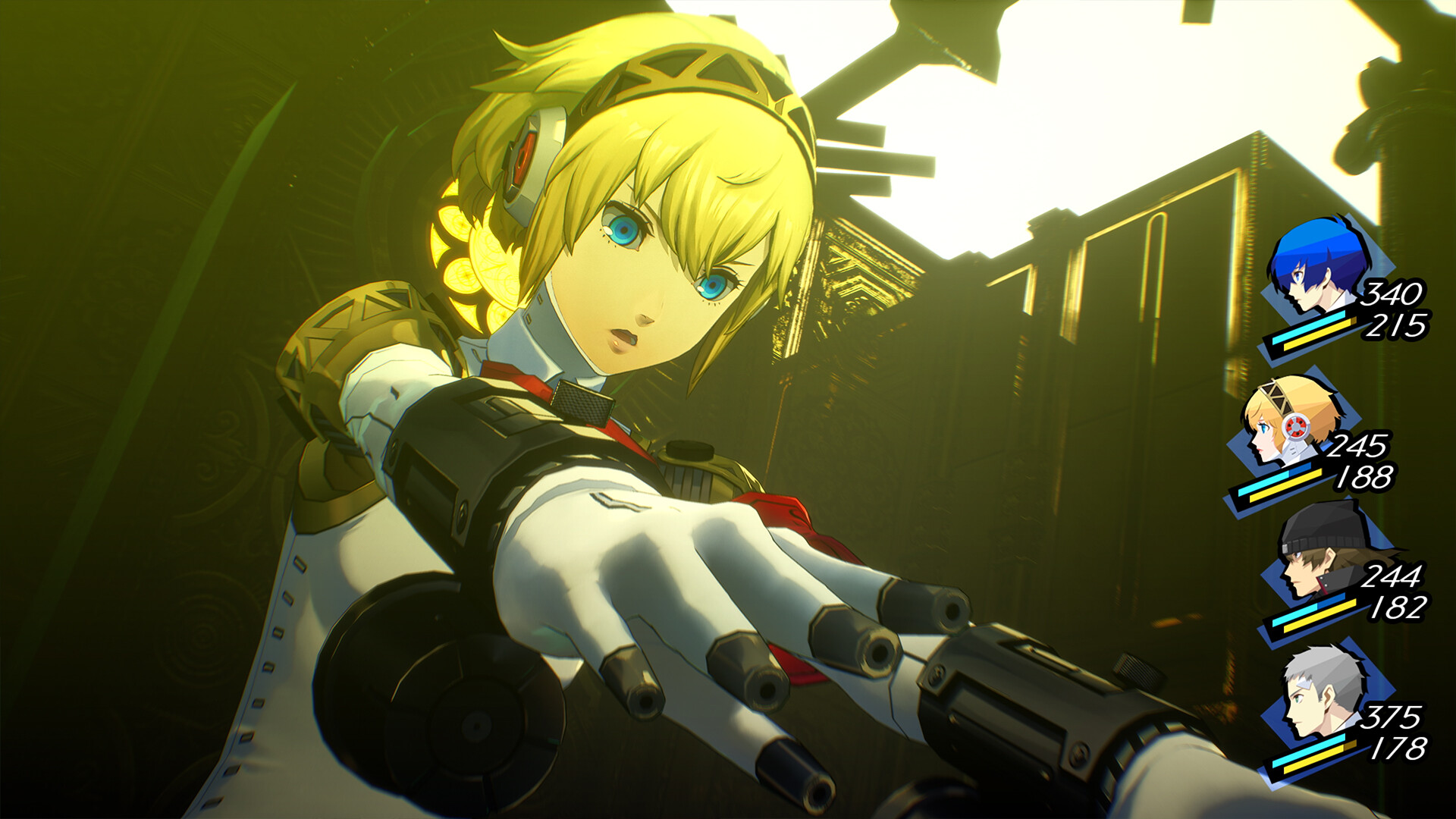
Japan’s voice acting industry, which brings characters in games like Persona 3 Reload to life, has pushed for these protections after a string of unauthorized AI voice-cloning incidents.
A Hard Line on Recreating Deceased Performers
The most striking part of the guidelines deals with deceased actors. Companies would be banned from using a dead performer’s voice for AI generation unless that performer had given consent to the specific project before their death, and even then, written approval from the bereaved family and the deceased’s affiliated agency would still be mandatory, along with royalty payments to those parties. The union says the goal is to protect the dignity and legacy of performers who can no longer speak for themselves, framing unauthorized use as a form of commercial exploitation. It is a direct response to controversies the industry has already seen, from a synthetic James Earl Jones voice delivering slurs in Fortnite to the planned AI recreation of Tupac Shakur in the upcoming film Stranger Than Heaven.
“AI can speak lines, but there’s nothing human behind it.”
Nick Apostolides, voice of Leon Kennedy
Pushing Toward Legal Protection
Japan currently has no law that directly protects voice rights, leaving performers to rely on broader legal concepts like publicity rights and unfair competition law. The Japan Actors Union says it intends to push these guidelines as an industry-wide standard while lobbying the government to legislate formal voice-rights protections, arguing that technology will keep advancing but “living, breathing human expression” has to stay at the center of it. Whether the guidelines gain real traction depends on how many AI companies and studios choose to adopt them voluntarily, but they mark one of the most detailed attempts yet by a performers’ union anywhere to draw a line around what generative AI can and can’t do with a person’s voice.
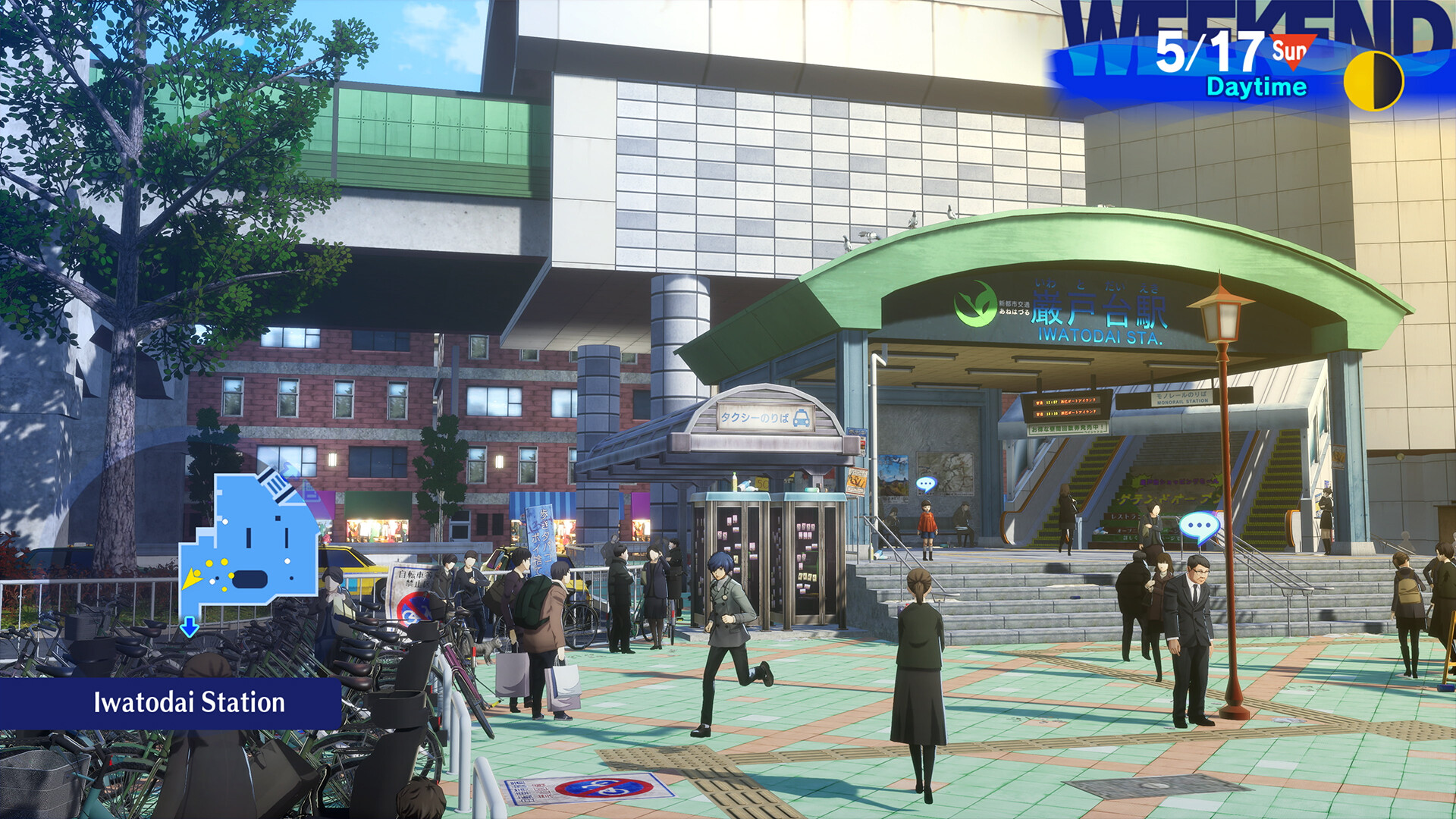
Voice performance remains central to how story-driven games connect with players, which is exactly what the union says it is trying to protect.
Keep the adventure going! Check out more Gaming News on Gamersuniverse.
Picture Source: Atlus