
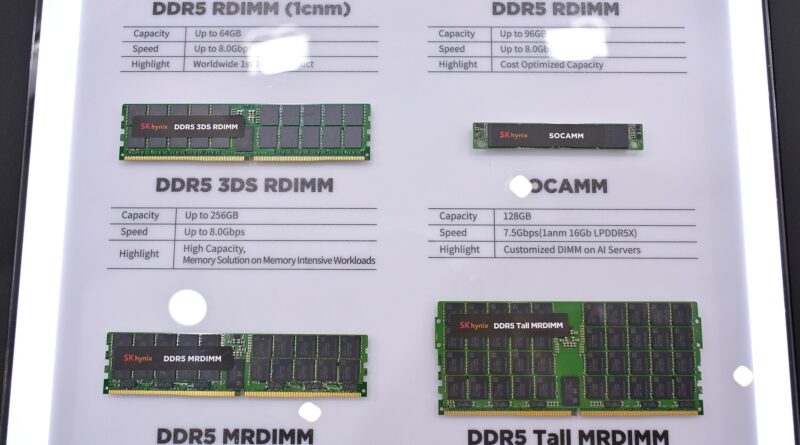
Sam Altman Says the RAM in Your PC Is a Waste of the World’s Scarce DRAM Supply
OpenAI CEO Sam Altman has stirred up the PC community with a new take on the global memory shortage. Speaking with Stripe co-founder John Collison on Stripe’s Cheeky Pint podcast, in an episode published on October 29, 2026, Altman argued that keeping large amounts of DRAM inside personal computers is an inefficient use of a resource that is currently in very short supply, and that the same memory would be put to far better use in cloud data centers running around the clock.
What Sam Altman Actually Said
The comments came up when Collison asked why sky-high prices for memory and GPUs still haven’t pulled enough new supply into the market. Altman’s short answer was that things are going badly, adding that the invisible hand isn’t quite doing its job here. He explained that DRAM makers spent decades investing roughly as much into new capacity as they earned back, riding out repeated boom and bust cycles, and are now on track to make around $100 billion in free cash flow each in a single year. Because they still remember how close past overbuilding pushed them to bankruptcy, he said, they are staying cautious about building new fabs.
Altman then turned to local AI. A lot of people, he noted, want to run open-source models on their own computers and assume this means the world won’t need as much data center hardware. He sees it the other way around: “from a global allocation perspective, actually, it’s quite terrible” that everyone keeps a share of the world’s limited DRAM supply sitting in their own machine, where it is only used around 5% of the time. With supply this tight, he argued, the memory should be kept busy in the cloud instead, even if many people’s intuition says the opposite.
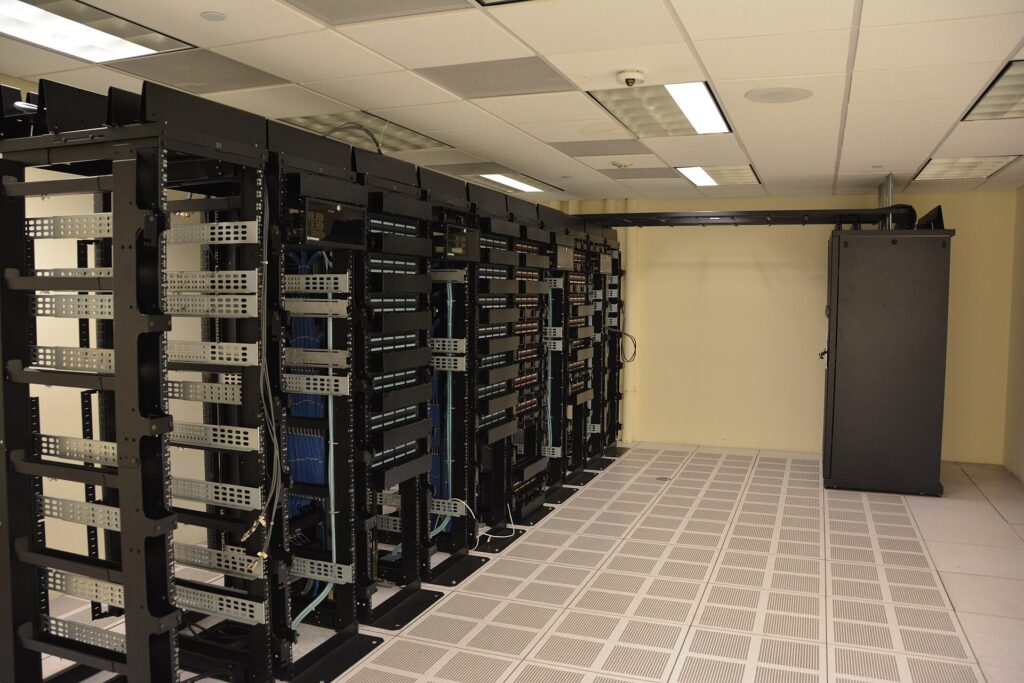
According to Sam Altman, the world’s limited DRAM supply is better used in data centers like this one than in personal computers.
Why PC Gamers Aren’t Amused
Strictly speaking, Altman was talking about running AI models locally rather than about gaming rigs, but the memory in question is the same. The RAM in gaming PCs, laptops and consoles comes out of the same limited DRAM production that AI data centers are competing for, and players have watched prices for RAM, SSDs and complete systems climb sharply over the past year. Gamersuniverse already broke down why PC hardware prices have exploded in 2026, and the AI build-out sits right at the center of that story. The crunch has even pushed Micron to walk away from its Crucial consumer memory business.
That context is exactly why the remarks drew heavy criticism on social media and across the tech press. OpenAI itself signed letters of intent with Samsung and SK hynix in October 2025 to secure memory for its Stargate data center project, so many critics find it ironic that the head of one of the world’s biggest memory buyers is now pointing at consumers. On top of that, the RAM in a gaming PC isn’t idle in any meaningful sense. Games, browsers, streaming tools and everyday multitasking all depend on it, and an average utilization figure says little about how much memory a system needs in the moments when it actually counts.
What It Means for PC Gamers
Altman didn’t call for any restrictions on consumer hardware, and nothing in the conversation suggests anyone is coming for the RAM already in your PC. His point was about where the world’s limited memory supply should go in the future. Still, the comments show clearly how the AI industry views the market, and with memory makers prioritizing data centers while holding back on new fabs, there is little reason to expect quick relief for consumer RAM prices. In the same interview, Altman also said OpenAI has built its own chip, is learning to build its own data centers and has a robotics program aimed at producing more of them, so the company’s hunger for compute isn’t going anywhere. For anyone planning a new build or a RAM upgrade, careful price tracking remains the best defense for now.
Keep the adventure going! Check out more Gaming Hardware News on Gamersuniverse.
Picture Source: 4300streetcar (CC BY 4.0), Carl Lender (CC BY 2.0)