
Why PC Hardware Prices Have Exploded in 2026 — And Why Gamers Are Paying For It
If you’ve priced out a new gaming PC or even a single stick of RAM recently, you already know something has gone very wrong. Throughout 2026, PC hardware prices have climbed at a pace nobody in the industry expected, and this time it isn’t crypto miners or scalper bots driving the chaos. It’s a global memory shortage, and gamers are footing the bill.
What’s Actually Happening to PC Part Prices
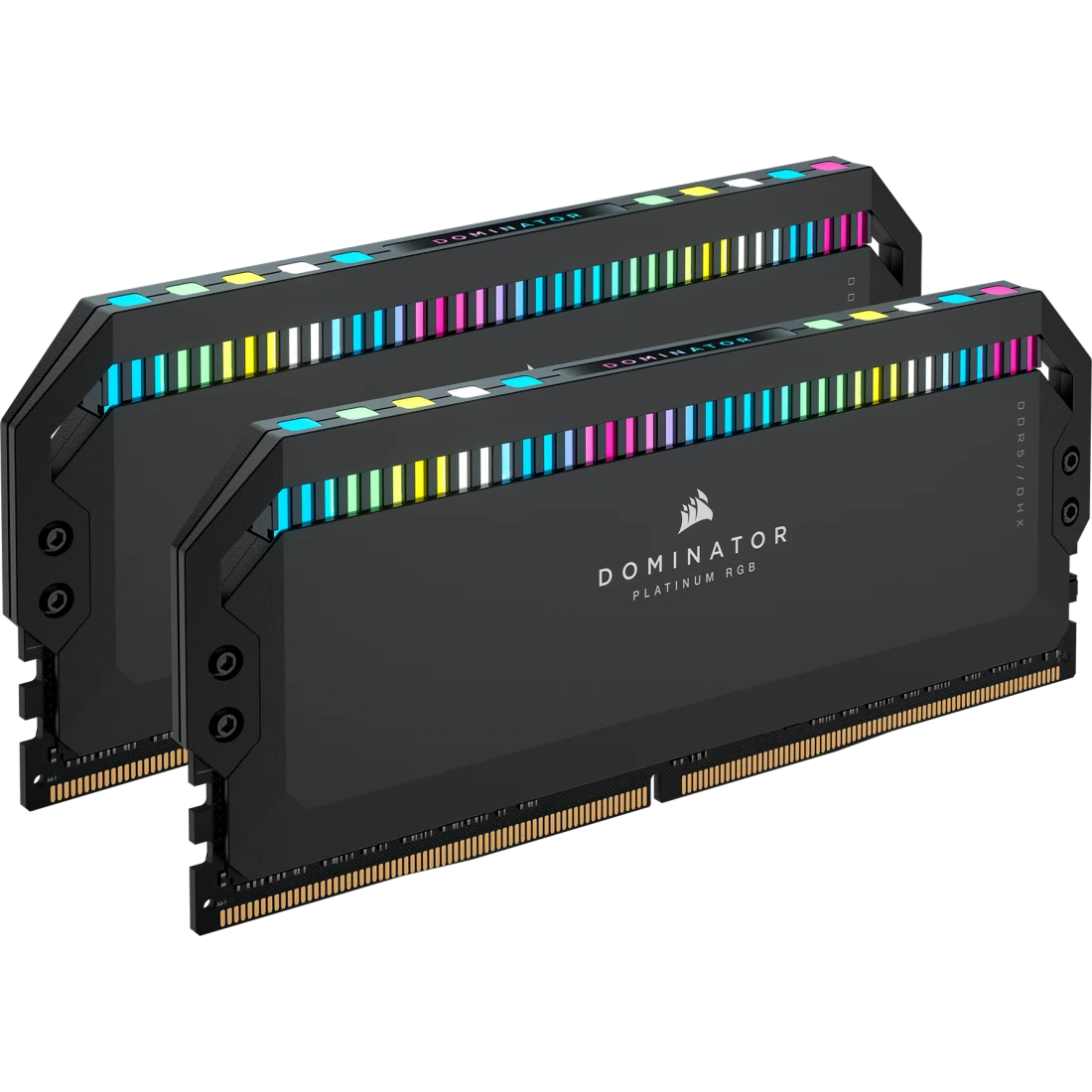
In 2026, graphics cards, RAM and SSD storage have all seen sharp price increases, and the trend shows no sign of slowing down. Research firm IDC now expects average PC prices to rise by 4% to 8% this year, with some forecasts warning the real number could land even higher. Some system builders have already started selling pre-built desktops without RAM installed, just to avoid locking in a price before the market moves again.
The Root Cause: A Global Memory Shortage
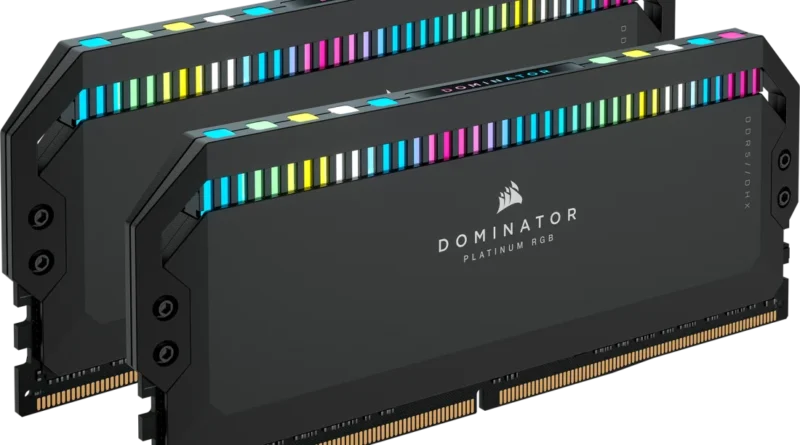
The single biggest driver behind rising PC hardware prices is memory, and the reason for that is the AI boom. Training modern AI models requires enormous amounts of DRAM and high-bandwidth memory, so tech giants and cloud providers are buying up memory chip supply in bulk to build out data centers. That leaves far less DRAM and NAND flash for consumer PCs, laptops and consoles.
The numbers behind the shortage:
- TrendForce projected DRAM prices would climb another 55–60% in the first quarter of 2026 alone compared to late 2025.
- By mid-2026, overall DRAM prices were tracked as being up 80–90% quarter over quarter since late 2025.
- Analysts expect DDR5 memory could rise by more than 40% on top of that before things stabilize.
- SSD pricing has been hit just as hard: a 30TB enterprise SSD now costs roughly 257% more than a year ago.
- Component lead times have stretched to 32–40 weeks for some parts.
Intel’s own CEO has warned that gamers and builders might not see real relief until 2028, since memory manufacturers can’t simply flip a switch and add new fabrication capacity overnight.
It’s Not Just RAM — GPUs Are Caught in the Crossfire
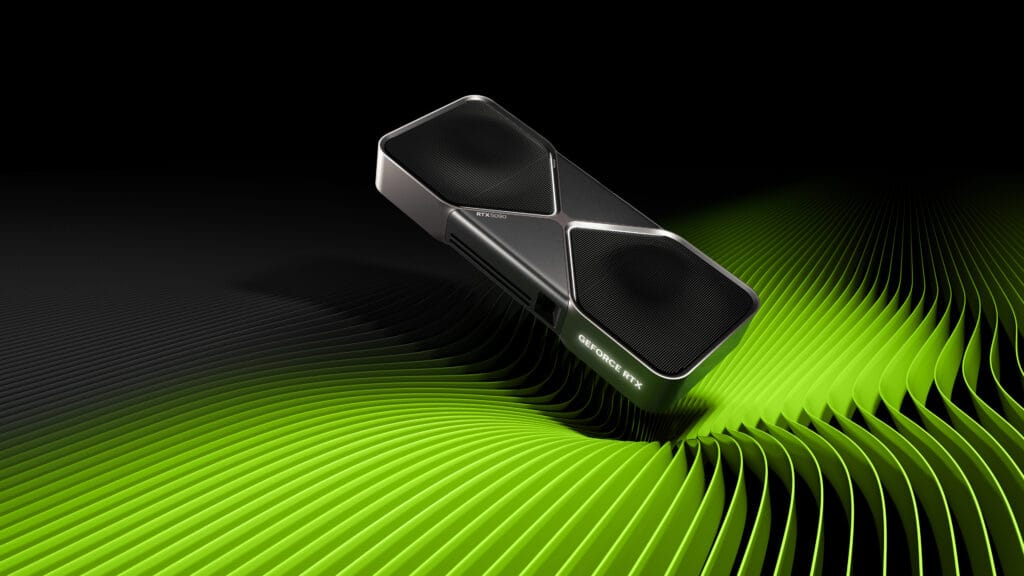
Every graphics card needs fast video memory (VRAM) to feed the GPU, and that memory hasn’t been spared. For most of 2025, GPU makers were protected by fixed-price memory supply contracts that kept costs steady. Those contracts have now largely expired, and the 2026 renewals are landing at dramatically higher prices, which is exactly why the pain hit so suddenly at the start of the year.
AMD reportedly raised the GDDR memory kit prices it charges its board partners by around 10% in July 2026 alone, its second such increase in roughly six months. With GDDR getting squeezed by the same AI-driven demand as DDR5, board partners are passing those costs straight down to gamers at retail.
How Gamers Are Feeling the Squeeze
This isn’t an abstract supply chain story, it’s hitting real budgets. A budget gaming PC that could match console performance cost roughly $700–$800 in components earlier in 2026. Build the same machine today with current prices, and you’re looking at closer to $1,300 once you account for an equivalent motherboard, cooler and enough RAM.
Consoles haven’t escaped either, since they’re built from the exact same memory-dependent components:
- Microsoft raised the price of the 1TB Xbox Series X from $649.99 to $799.99 in August 2026, a 60% jump over its original 2020 launch price.
- Xbox CEO Asha Sharma described the situation internally as a “hardware component crisis.”
- Major PC vendors including Lenovo, Dell, HP, Acer and ASUS have warned of 15–20% price hikes on systems shipping in the second half of 2026.
- Gartner and IDC now expect the worldwide PC market to shrink 10–11% in 2026 as buyers get priced out.
The result is that the DIY PC-building advantage that defined the hobby for decades has largely inverted. Pre-built systems, where manufacturers locked in component costs before the surge, are now often better value than building your own rig from scratch.
Should You Buy Now or Wait?
- Need a PC or GPU right now? Buying today is generally safer than waiting, since most analysts expect prices to keep climbing rather than fall in the near term.
- Upgrading just your RAM or storage? Retailers and industry reps have been recommending buyers move sooner rather than later, since DDR5 and SSD prices show no sign of cooling before 2028.
- On a strict budget? A well-priced pre-built or a last-generation console may currently offer better value than assembling parts individually.
- Can you wait it out? If your current setup still runs your games, holding off until fabrication capacity catches up with AI demand is a reasonable bet, though that could take a couple of years.
Conclusion
The current PC hardware price crisis isn’t the result of a single company, a shortage of chips in general, or gamers themselves, it’s the side effect of an AI industry consuming memory faster than manufacturers can produce it. Until DRAM and NAND supply catches up with demand, expect RAM, SSDs, GPUs, prebuilt PCs and consoles to keep creeping upward together. For now, the safest advice is simple: buy what you actually need, and don’t expect a return to 2023-era pricing anytime soon.
Keep the adventure going! Check out our latest posts for more tips, reviews and gaming news here: Hardware



Pingback: The 10 Best Graphics Cards in 2026: Top GPUs for Every Budget - Gamersuniverse