
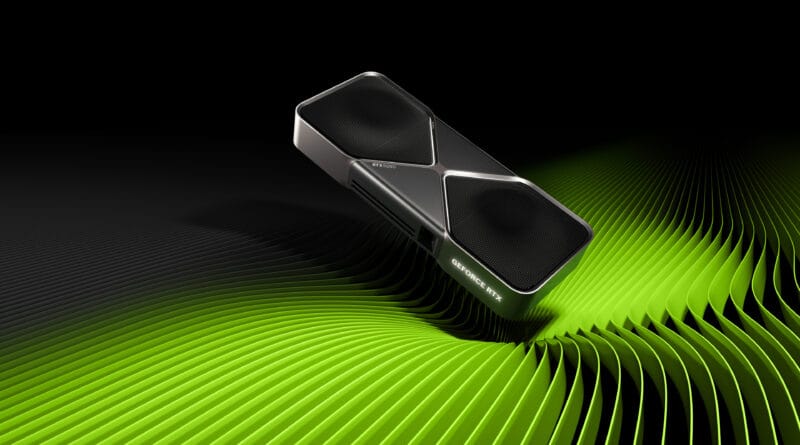
The 10 Best Graphics Cards in 2026: Top GPUs for Every Budget
Picking a graphics card in 2026 is trickier than it used to be. The ongoing global memory shortage has pushed prices well above launch MSRPs across the board, and what used to be a budget card now often sits at mid-range money. Still, Nvidia’s Blackwell RTX 50 series, AMD’s RDNA 4 Radeon RX 9000 series, and Intel’s Arc B-Series give gamers genuinely strong options at every price point. We’ve ranked the 10 best GPUs of 2026, from 4K enthusiast monsters to genuinely capable budget picks.
If you’re wondering why prices have gotten so wild this year, we broke it all down in our piece on why PC hardware prices have exploded in 2026. Keep that context in mind: street prices below are moving targets, so treat the numbers as a guide rather than gospel.
Best High-End Graphics Cards (4K & Enthusiast)
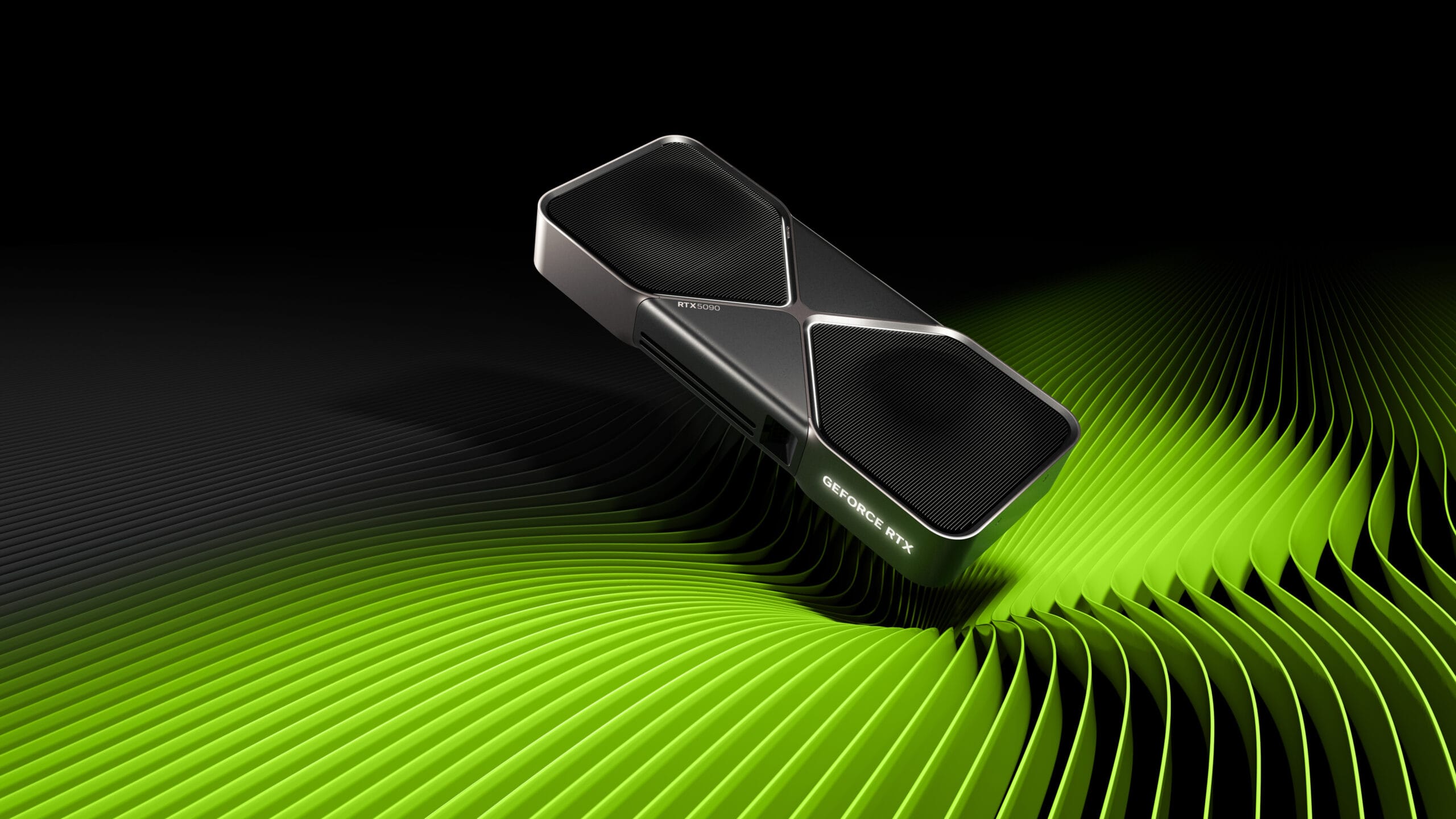
1. Nvidia GeForce RTX 5090
- VRAM: 32GB GDDR7 on a 512-bit bus
- MSRP: $1,999 (street prices sit well above this due to the 2026 memory shortage)
- Best for: Native 4K, path tracing, and creator or local-AI workloads
Nothing else on the market touches the RTX 5090 for raw horsepower. With DLSS 4.5 and Multi Frame Generation, it’s the only card that treats 4K with full ray tracing as a formality rather than a compromise. It’s also comically overkill for most gamers, and the 575W reference TGP means you’re sizing your whole PSU around it. If you have to ask whether you need it, you probably don’t, but if you do need it, nothing else will do.
2. Nvidia GeForce RTX 5080
- VRAM: 16GB GDDR7
- MSRP: $999
- Best for: High-refresh 4K and heavy 1440p without the RTX 5090’s price tag
The RTX 5080 gives up roughly half the VRAM and compute of its bigger sibling but keeps every feature that matters: fourth-gen RT cores, fifth-gen Tensor cores, and full DLSS 4.5 support. For gamers who want a true 4K card without flirting with five-figure PC builds, it’s the more sensible enthusiast pick.
Best Upper-Mid-Range Graphics Cards (1440p / Entry 4K)
3. AMD Radeon RX 9070 XT
- VRAM: 16GB GDDR6 on a 256-bit bus
- MSRP: $599 (street prices have climbed to roughly $699–$850)
- Best for: Rasterization-heavy 1440p gaming and the occasional 4K session
AMD’s RDNA 4 flagship trades blows with Nvidia’s more expensive RTX 5070 Ti in pure rasterization while undercutting it on price, and FSR 4 has closed a lot of the upscaling quality gap. It’s not going to out-ray-trace Nvidia’s best, but for straightforward frame rates per dollar, the RX 9070 XT is one of the best value stories of the generation.
4. Nvidia GeForce RTX 5070 Ti
- VRAM: 16GB GDDR7
- MSRP: $749 (street prices have run closer to $980–$1,200 amid the shortage)
- Best for: Buyers who want the fullest feature set — ray tracing, DLSS 4.5, and CUDA — without stepping up to the RTX 5080
The RTX 5070 Ti is the more complete GPU on paper, with stronger ray tracing and the broadest creator-app support of anything in this tier. Whether that’s worth the current price premium over the RX 9070 XT depends entirely on how much you value ray tracing and DLSS versus pure rasterized frames.
Best Mid-Range Graphics Cards (1440p)
5. AMD Radeon RX 9070
- VRAM: 16GB GDDR6
- MSRP: around $549
- Best for: 1440p Ultra settings without the XT’s premium
Give up a bit of clock speed and compute versus the RX 9070 XT and you land here — still a genuinely strong 1440p card with the same 16GB VRAM buffer, just at a friendlier price. For gamers who don’t chase 4K, this is where AMD’s lineup makes the most sense per dollar.
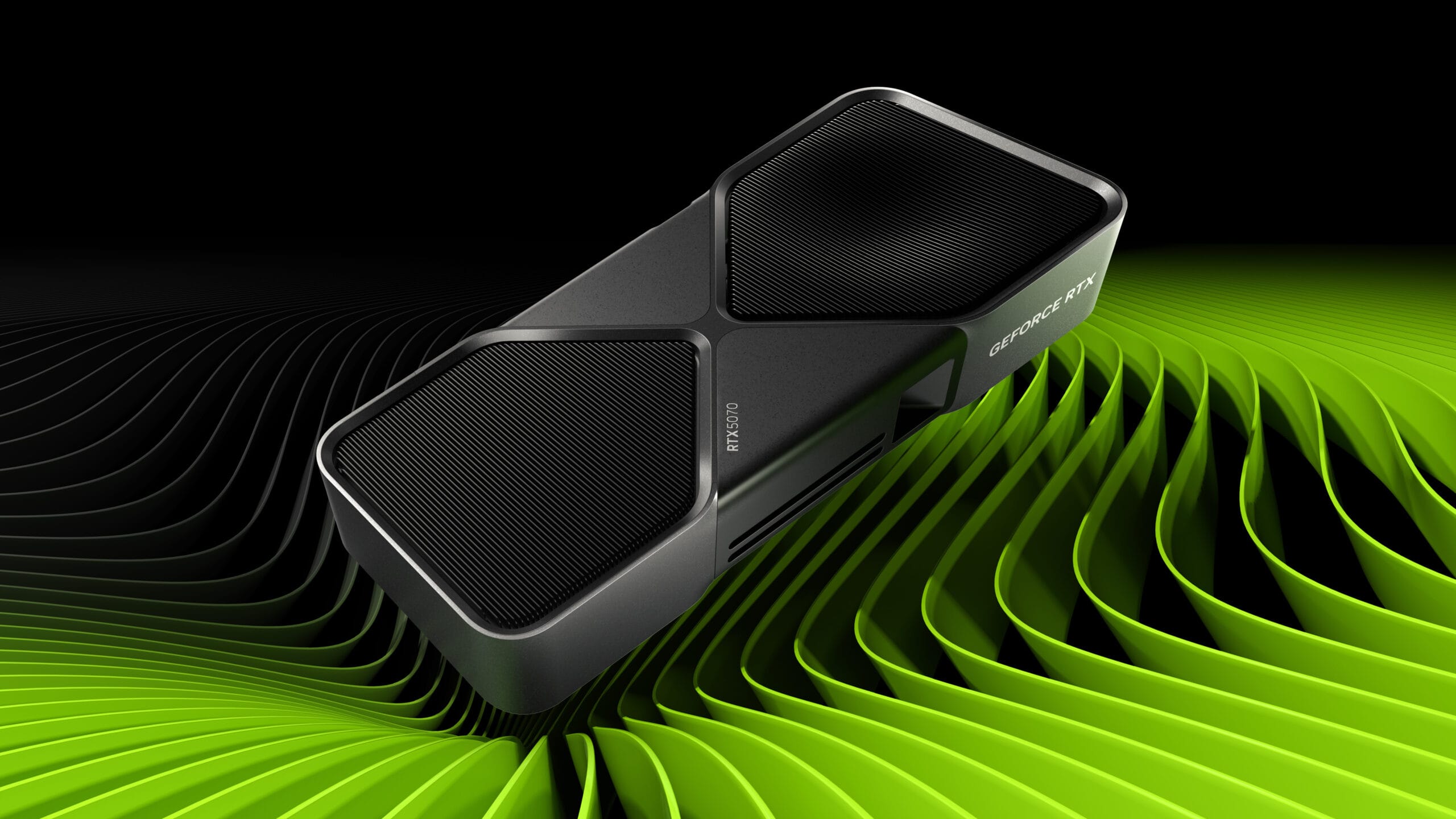
6. Nvidia GeForce RTX 5070
- VRAM: 12GB GDDR7
- MSRP: $549
- Best for: Gamers who want DLSS 4.5 and ray tracing at a mainstream price
The RTX 5070 is Nvidia’s mainstream sweet spot: enough VRAM for 1440p, full DLSS 4.5 Multi Frame Generation support, and a reasonable power draw. The 12GB buffer is starting to look a little tight for some newer titles at max settings, but for the vast majority of gamers it’s plenty.
Best Budget Graphics Cards (1080p & Entry 1440p)
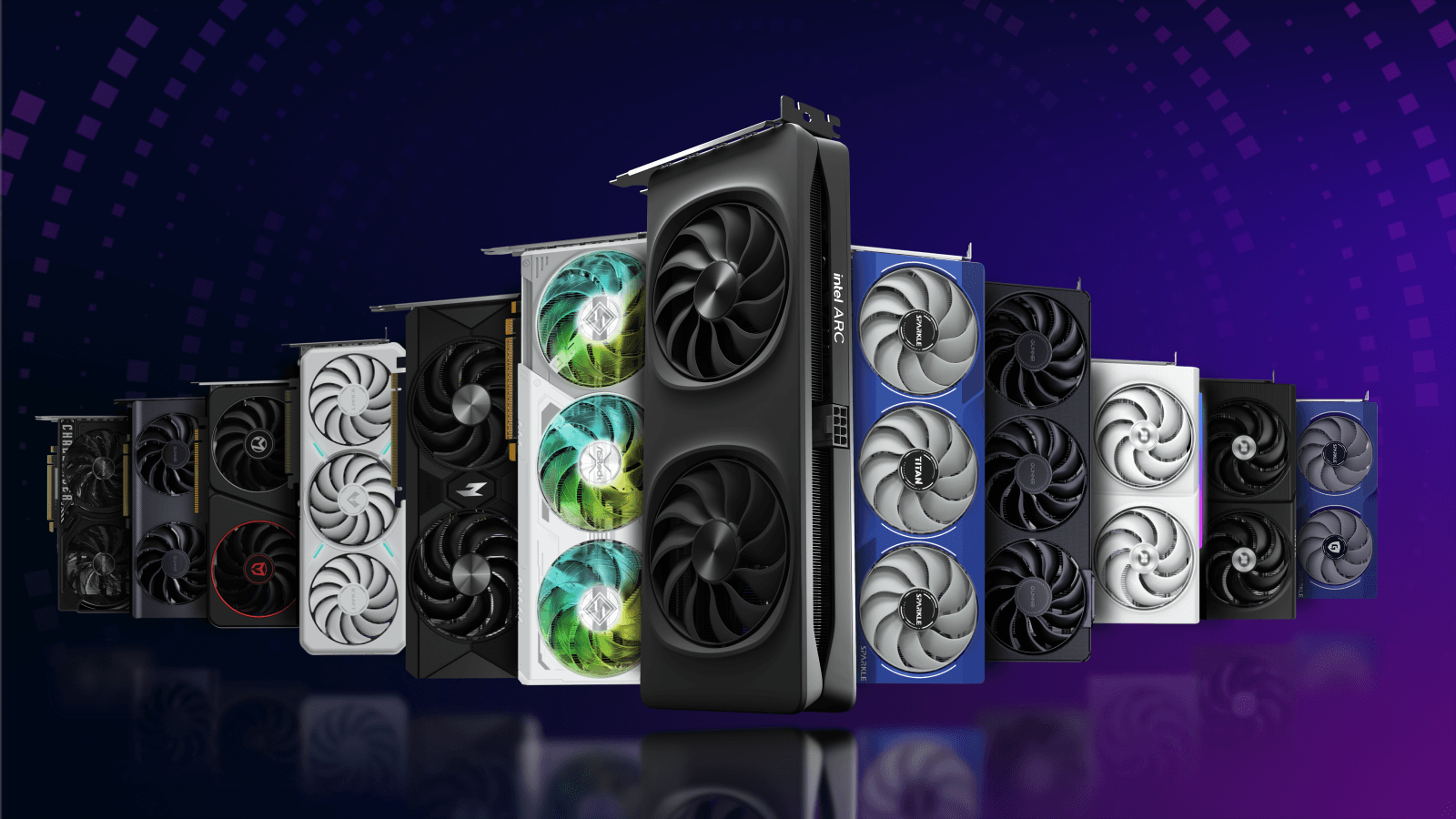
7. AMD Radeon RX 9060 XT
- VRAM: 8GB or 16GB GDDR6
- MSRP: $299 (8GB) / $349 (16GB)
- Best for: 1440p on a budget, provided you spring for the 16GB model
The full PCIe 5.0 x16 interface and generous memory options make the 16GB RX 9060 XT the pick of the budget bunch for anyone still gaming at 1440p. Skip the 8GB variant if you can — it runs into VRAM limits sooner than you’d like in newer titles.
8. Nvidia GeForce RTX 5060 Ti
- VRAM: 8GB or 16GB GDDR7
- MSRP: $379 (8GB) / $429 (16GB)
- Best for: Buyers who want DLSS 4.5 Multi Frame Generation at a budget price
Nvidia’s answer to the RX 9060 XT swaps some raw rasterization for a much deeper software feature set — DLSS 4.5, Reflex 2, and the rest of the Blackwell toolkit. Again, the 16GB version is the one to chase; the 8GB card can bottleneck in VRAM-hungry games.
9. Intel Arc B580
- VRAM: 12GB GDDR6
- MSRP: $249
- Best for: The best price-to-performance ratio under $300, VRAM included
Intel’s Battlemage architecture turned the Arc B580 into a genuine budget darling, and it’s aged well into 2026. With 12GB of memory at this price and steadily maturing drivers, it undercuts Nvidia and AMD on both cost and VRAM headroom. The trade-off is a narrower PCIe 4.0 x8 interface and occasional rough edges in older or less-optimized titles.
10. Nvidia GeForce RTX 5050
- VRAM: 8GB GDDR6
- MSRP: $249
- Best for: Entry-level 1080p builds and Nvidia’s software ecosystem on the cheap
The RTX 5050 is the least exciting card on this list on paper — it’s the only current-gen Blackwell desktop GPU stuck with older GDDR6 memory, and it trades blows with cards a full tier below its price. Its saving grace is DLSS 4 support and Nvidia’s driver polish, which matter if you’re prioritizing plug-and-play reliability over outright value.
Final Verdict
There’s no single “best” GPU in 2026 — only the best GPU for your resolution and budget. If money genuinely isn’t a factor, the RTX 5090 is untouchable. Most gamers chasing 1440p will get the best value from the RX 9070 XT or RTX 5070, while budget builders should look hard at the Intel Arc B580 or a 16GB RX 9060 XT before settling for less VRAM at a similar price. Whatever you pick, keep an eye on street pricing — with memory chips still in short supply, today’s deal might not be there tomorrow.
Keep the adventure going! Check out our latest posts for more tips, reviews and gaming news here: Games



Pingback: The Best Witcher 3 Remastered Settings for the Best Experience on PC, PS5, Xbox and Switch 2 - Gamersuniverse