Microsoft’s Glass Data Storage Breakthrough Explained: How Project Silica Voxels Could Preserve Data for 10,000 Years
Microsoft’s glass data storage breakthrough sounds like science fiction, but the research behind it is very real. Project Silica, Microsoft Research’s effort to write data into glass with ultrafast lasers, hit a major milestone in February when the team published its findings in the journal Nature. Accelerated aging tests suggest the written data could last more than 10,000 years. It’s not something you can buy, but for a hobby built on scratched discs, dying servers and delisted games, it’s a story worth understanding.
What Is Microsoft’s Project Silica?
Project Silica is Microsoft Research’s attempt to build long-term archival storage from the media up. Instead of magnetic tape or hard drives, which Microsoft says degrade within decades, it stores data inside glass, a durable write-once material that resists water, heat and dust. Because glass doesn’t need to be copied onto fresh media every few years, the data can simply stay where it is.
Microsoft has already shown off the idea in several proofs of concept, including storing Warner Bros.’ Superman movie on quartz glass, working with the Global Music Vault to preserve music for 10,000 years, and a student-led Golden Record 2.0 project that archives images, sounds and languages from around the world.
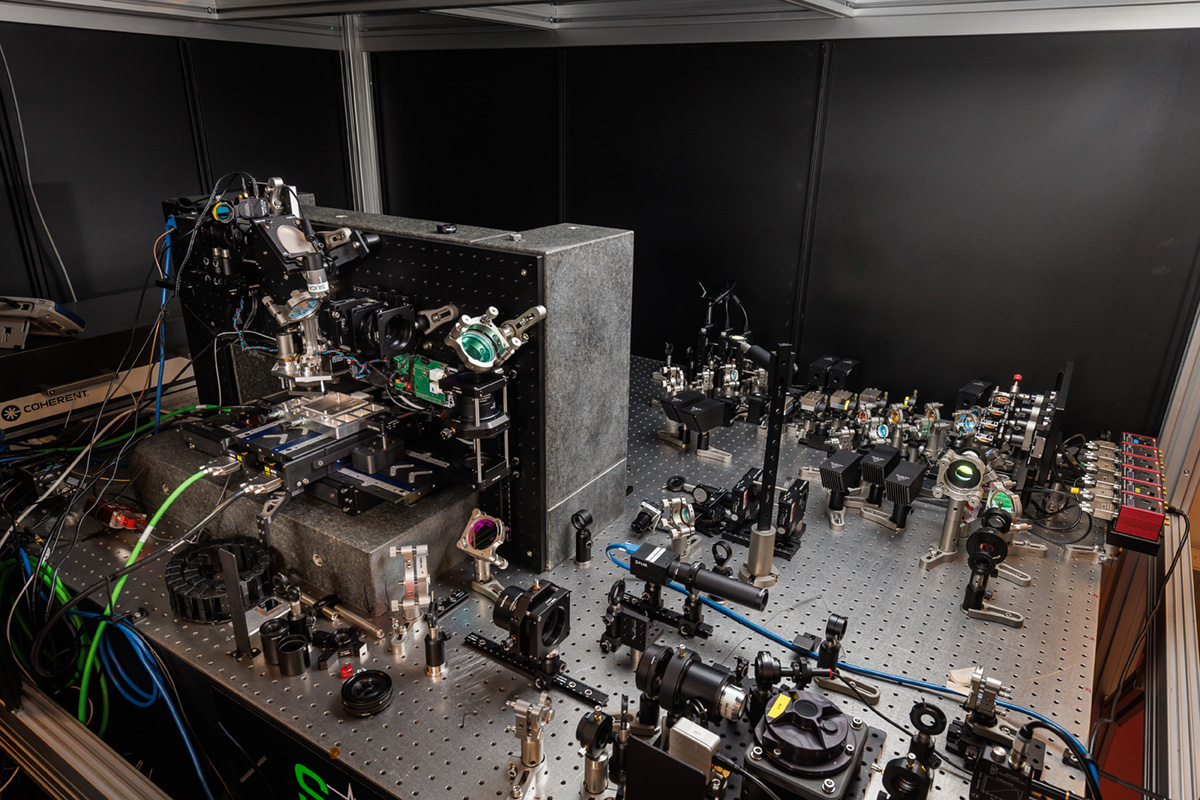
A research-grade Project Silica writer, used to set the record for high-speed data writing into glass
Voxels Explained: 3D Pixels Inside the Glass
You know pixels, the tiny dots that make up your screen. A voxel is the three-dimensional version, a microscopic volume of glass that a laser has physically altered. Silica uses femtosecond lasers, which fire pulses lasting a quadrillionth of a second, focused on a precise spot inside the glass. Bits of data are first turned into symbols, and each symbol is written as one voxel.
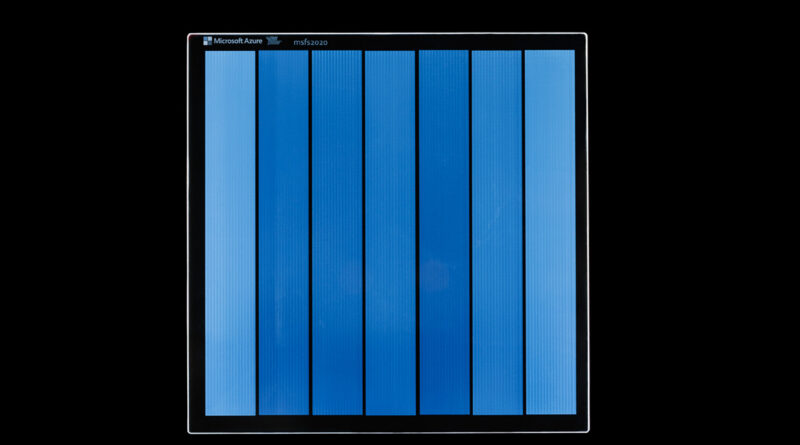
The writer builds the data layer by layer, so the information lives in the depth of the glass instead of only on its surface. In the Nature paper, a 120 mm square piece of glass that is just 2 mm thick holds 301 layers of voxels and up to 4.8 TB of data.
What’s New: Phase Voxels and Cheaper Glass
Silica’s earlier approach used birefringent voxels, which store information in the polarization of light and only worked with pure fused silica glass. The big new trick in the paper is the phase voxel, a simpler method that changes the glass’s phase instead of its polarization and needs just a single laser pulse to write, without the beam-splitting tricks the fused silica method still requires.
Even better for costs, Microsoft showed that phase voxels work in borosilicate glass, the same material found in kitchen cookware and oven doors. The reader now needs one camera instead of three or four, and the writing hardware needs fewer parts, which makes it easier to build and calibrate.
The Numbers Behind the Breakthrough
The headline figures come from two different types of glass, and it’s worth keeping them separate. In fused silica, using the older birefringent voxels, a 120 mm square, 2 mm thick tablet holds 301 layers for up to 4.8 TB, at a density of 1.59 Gbit per cubic millimeter, written at 25.6 Mbit/s per laser beam and 10.1 nanojoules per bit. In the cheaper borosilicate glass, using the new phase voxels, the same size tablet holds about 2.02 TB, with four laser beams pushing write speed to 65.9 Mbit/s, and accelerated aging tests suggesting the data will last more than 10,000 years.
How the Data Gets Read Back
Reading is where the machine learning comes in. An automated microscope with a camera photographs each 2D layer of voxels, and a decoder turns those images back into your original data. Because phase voxels sit so close together, they interfere with their neighbors, so Microsoft trained a machine learning model to clean up the noise and classify each voxel correctly.
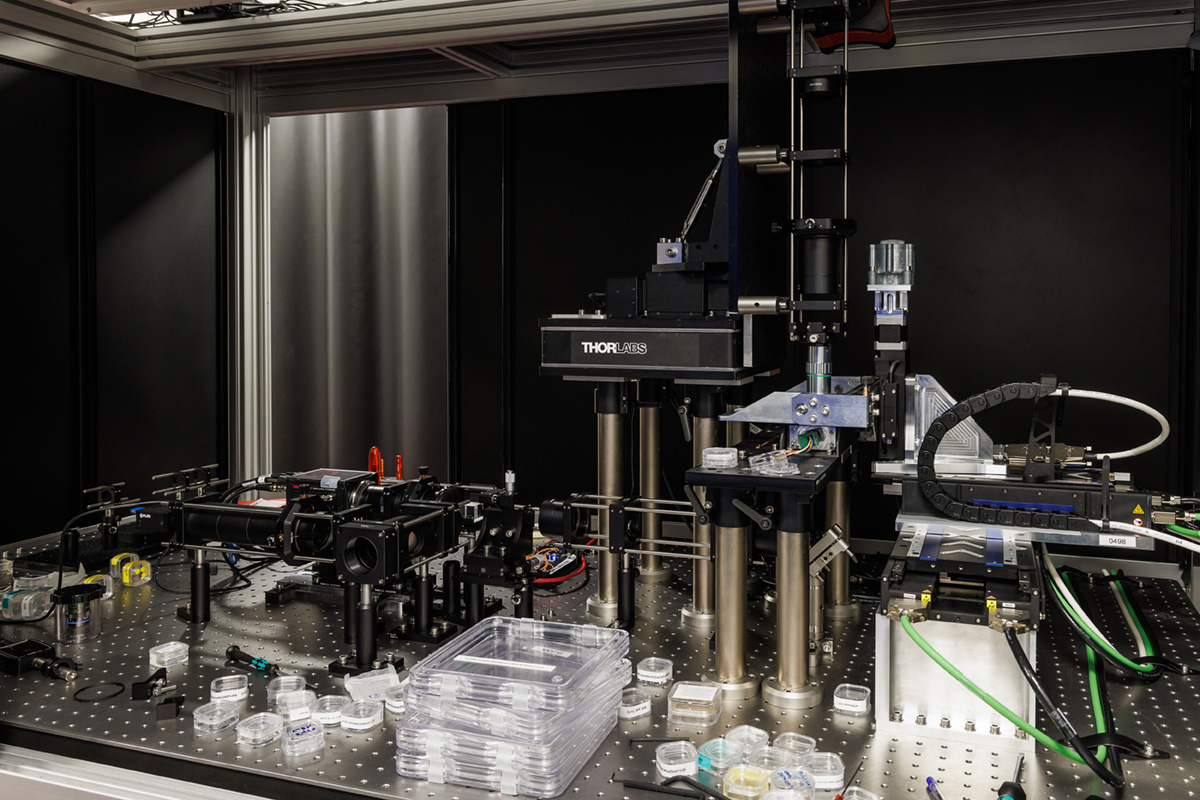
A research-grade Project Silica reader for retrieving data from glass
Why Gamers Should Care About Glass Storage
Games are surprisingly fragile pieces of history. Discs degrade, servers shut down, storefronts delist titles, and the industry keeps drifting toward digital. Sony, for one, has announced it will stop producing discs for new PlayStation games from January 2028, as we covered in our Wolverine chart story.
To be clear, the Nature paper doesn’t mention games, and Microsoft hasn’t announced any plans to archive game libraries on glass. That’s our take, not theirs. But an immutable, write-once medium that needs no regular migration is exactly the kind of technology museums, libraries and studios would love for long-term game archives.
The Catch: Don’t Expect a Glass Hard Drive
Microsoft says the research phase is complete and that it is still considering how to apply what it learned, but it hasn’t announced a product or a release date. Speed is another limit. Even four beams at 65.9 Mbit/s are nowhere near what you’d want for everyday use, so this is cold storage for data you write once and read rarely. You won’t be installing games from a glass tile anytime soon.
For now, keeping your own backups is still the smartest way to preserve your favorite game. In 10,000 years, though, some archaeologist might dig up a glass tile and find your save file.
Keep the adventure going! Check out more Gaming News on Gamersuniverse.
Picture Source: Microsoft Research