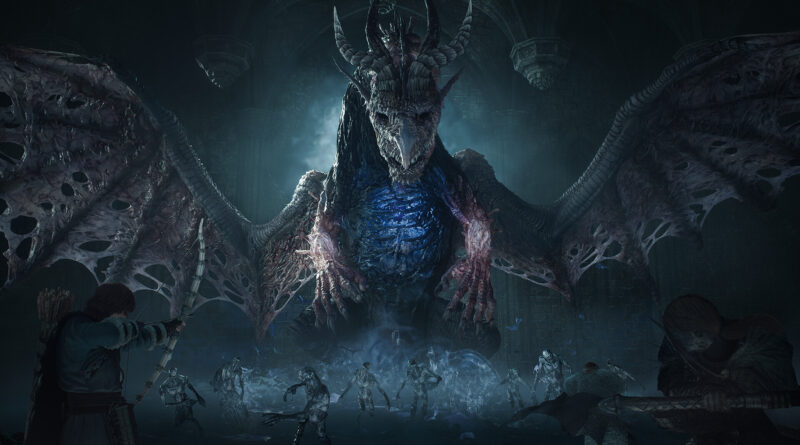
Dragon’s Dogma 2 Hard Mode Explained: How to Turn It On, What Changes and Whether You Can Switch Back
Dragon’s Dogma 2 finally has the challenge setting veterans asked for since launch. Capcom added Dragon’s Dogma 2 Hard Mode in the free title update released alongside the Dark Arisen expansion on October 9, 2026, and it works a little differently from what many players expect. You can turn it on in the middle of an adventure, but once you do, there is no quick way back. This guide explains how to turn on Hard Mode, what it actually changes, how it compares to Normal and Casual Mode, and whether you should tackle Norgan on Hard.
Do You Need Dark Arisen for Dragon’s Dogma 2 Hard Mode?
No. Hard Mode is part of the free base game update, not the paid expansion. The official title update notes list it next to the new Orienteer pawn specialization, the option to carry over your save and restart the story, and support for the Dark Arisen DLC. On PS5, Xbox Series X|S and Steam, Dark Arisen is sold as separate DLC, while the Nintendo Switch 2 version bundles the base game and the expansion. Either way, Hard Mode is available to everyone who has updated the game.
How to Turn On Hard Mode in Dragon’s Dogma 2
There are two ways to play on Hard, depending on whether you want a fresh start or want to keep your current Arisen:
- New game: When you start a new adventure, the game lets you choose between Normal Mode, Casual Mode and Hard Mode. Pick Hard and you are set from level one.
- Existing Normal save: Save, return to the title menu, open Options and go to Game Settings. There you can change the game mode of a playthrough that is currently on Normal, without losing your progress.
Since Title Update 3.2 the game also supports up to three save slots for separate playthroughs. If you are unsure about Hard, a separate slot is the safest way to try it without touching your main adventure.
Can You Switch Back From Hard Mode to Normal?
Not mid-playthrough. This is the most important rule to know before you confirm the change. According to Capcom’s official web manual, only a playthrough in Normal Mode can change modes from the title menu. Once a playthrough is in Hard Mode, or in Casual Mode, you cannot switch modes until you reach the game’s ending.
There is one more option. The same October update added a feature that carries over your current save data and starts the story again from the beginning. Your level, equipment and items come with you, but quest progress and quest items are reset. Capcom’s developers have described it as a way to begin the story anew on Normal while keeping your levels and gear, so it is the closest thing to an escape hatch if Hard turns out to be too much. Just remember that it costs you your story progress, so treat it as a fresh run rather than a difficulty slider.
What Changes in Dragon’s Dogma 2 Hard Mode?
Capcom describes Hard Mode as a challenging adventure recommended for skilled players and experienced adventurers. The official manual lists three concrete changes:
- Enemy attacks are more powerful. Mistakes that cost you a sliver of health on Normal can now take a big chunk out of your Arisen or your pawns.
- More experience from defeating foes. The extra danger is rewarded with faster leveling, so a Hard run does not have to feel like a grind.
- Different enemies in certain areas. Some encounters are rearranged, so roads you know by heart on Normal can surprise you.
In pre-launch interviews, director Kento Kinoshita explained that Hard Mode is not just about bigger numbers: enemy placement, AI and behavior patterns change in many places too. He also made clear it is not meant as a game built around dying over and over, but as a difficulty where careful preparation, resource management and strategy pay off.
Capcom has not published exact damage or experience multipliers, so be wary of guides quoting precise percentages. One more detail from the official manual: there is one set of equipment that can only be obtained in Hard Mode. Capcom has not named it in the manual, but if you are a completionist, that alone is a reason to clear the game on Hard at least once.
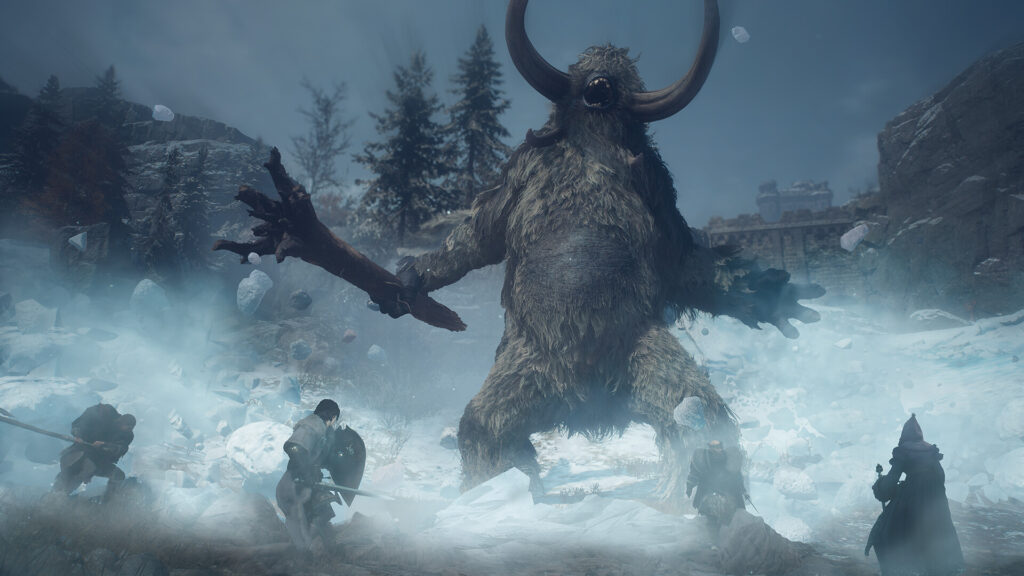
Hard Mode makes every big fight more punishing, and Norgan is full of them.
Hard Mode vs Normal vs Casual: Which Should You Pick?
Dragon’s Dogma 2 now has three game modes, and each one has trade-offs worth knowing:
- Normal Mode: Capcom calls it the true Dragon’s Dogma experience. It is the only mode you can freely switch away from in the middle of a playthrough.
- Casual Mode: Added in an update in September 2024 for a more relaxed adventure. Inn stays and Ferrystones are cheaper, you become “Heavy” or “Very Heavy” less easily, dashing outside of battle costs less stamina, and pawns recover from dragonsplague without a devastating calamity. The catch: some trophies and achievements cannot be earned in Casual Mode.
- Hard Mode: Stronger enemy attacks, more experience, rearranged encounters and one exclusive equipment set. Trophies and achievements that require Normal also work on Hard.
Our recommendation: first-time players should stay on Normal, since it keeps every option open. If you have already beaten the game and know how the major monsters fight, Hard is the more rewarding way to replay it, especially with the faster experience gain.
Should You Play Dark Arisen on Hard Mode?
Dark Arisen’s new content is unlocked by speaking with Captain Brant at the Stardrop Inn in Vernworth at night. He offers two quest lines: Chilling Tidings, which takes you to the frozen northern region of Norgan, and Lost Rites, a series of 12 challenge dungeons spread across Vermund and Battahl. The commonly cited recommendations are around level 40 for Norgan and around level 20 for the Lost Rites, and those values assume Normal Mode.
Norgan is already demanding without Hard Mode. During a whiteout you cannot use the minimap or Ferrystones, and you become chilled, which makes your maximum stamina steadily fall. Thermal equipment, heatstones and meals at camp help you push through, but stacking stronger enemy attacks on top of that turns every blizzard into a real survival test. If you want to try Norgan on Hard, arrive above the recommended level, pack healing items and heatstones, and bring pawns whose vocations cover each other’s weaknesses.
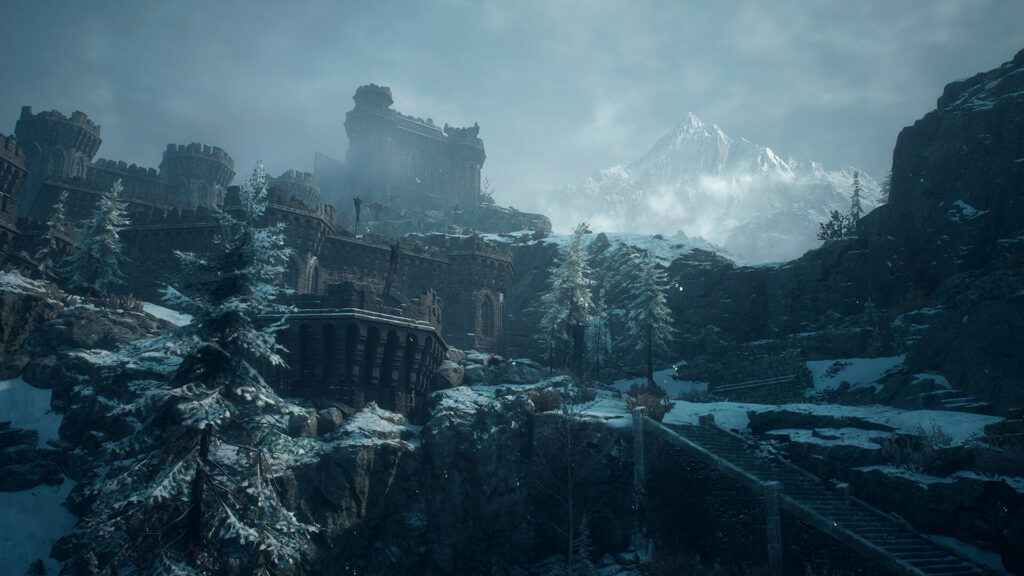
Norgan’s whiteouts hide the minimap and block Ferrystones, even before Hard Mode raises the stakes.
Tips for Surviving Hard Mode
- Decide before you switch. Since a Hard playthrough is locked until the ending, make the change at a natural break, not in the middle of a tough quest.
- Use a spare save slot. Test Hard on a second Arisen first if your main adventure means a lot to you.
- Respect every fight. With stronger enemy attacks, positioning, dodging and keeping your pawns alive matter far more than raw damage.
- Stock up on healing. Curatives you barely touched on Normal become essential, so keep a healthy supply for long trips.
- Use the experience bonus. Clear optional encounters early to level faster and make the main story fights more manageable.
- Plan your escape hatch. If Hard is too much, the carry-over restart keeps your level and gear, but it resets your quests, so do not rely on it lightly.
Dragon’s Dogma 2 Hard Mode: Our Verdict
Dragon’s Dogma 2 Hard Mode is a free and welcome addition for anyone who found the base game too forgiving. It hits harder, rewards you with more experience, shuffles some encounters and hides one exclusive equipment set. Just make the switch deliberately, because there is no turning back until the ending. Curious about the story behind the Arisen, the Pathfinder and the cycle? Read our Dragon’s Dogma 2 lore explained guide. This guide reflects Dragon’s Dogma 2 after the free title update released alongside Dark Arisen on October 9, 2026, and details may change with future patches.
Keep the adventure going! Check out more Gaming Guides on Gamersuniverse.
Picture Source: Capcom