

Every Dune: Awakening Character Creation Choice Explained: Homeworld, Caste, and Mentor
Dune: Awakening’s character creator asks more of you than a slider for cheekbones and a hairstyle. Before your Sleeper ever sets foot on Arrakis, you choose a Homeworld, a Caste, and a Mentor, three background questions posed by a Reverend Mother that shape your dialogue options, your emotes, and your starting class. Some of these choices are pure roleplay flavor. One of them quietly decides your entire early build. Here’s what every option actually does, and which ones you can still change once you’re out in the desert.
Appearance: Fully Cosmetic, Now Reversible Too
The first stretch of character creation covers body type, height, and build, facial structure and age, hairstyles and facial hair, tattoos with cultural or faction-specific designs, and makeup. None of it affects gameplay in any way, it exists purely for immersion and roleplay. At launch, this was also the one truly permanent part of the process. Funcom changed that with Chapter 2, which added a proper re-customization option through Dr. Shaffat’s clinic in Arrakeen or Fleshshaper Phrakk’s lab in Harko Village, both reachable via contracts from the local Contract Boards. So if you don’t like how your Sleeper looks a few hours in, that’s fixable now.
Homeworld: Where Your Sleeper Comes From
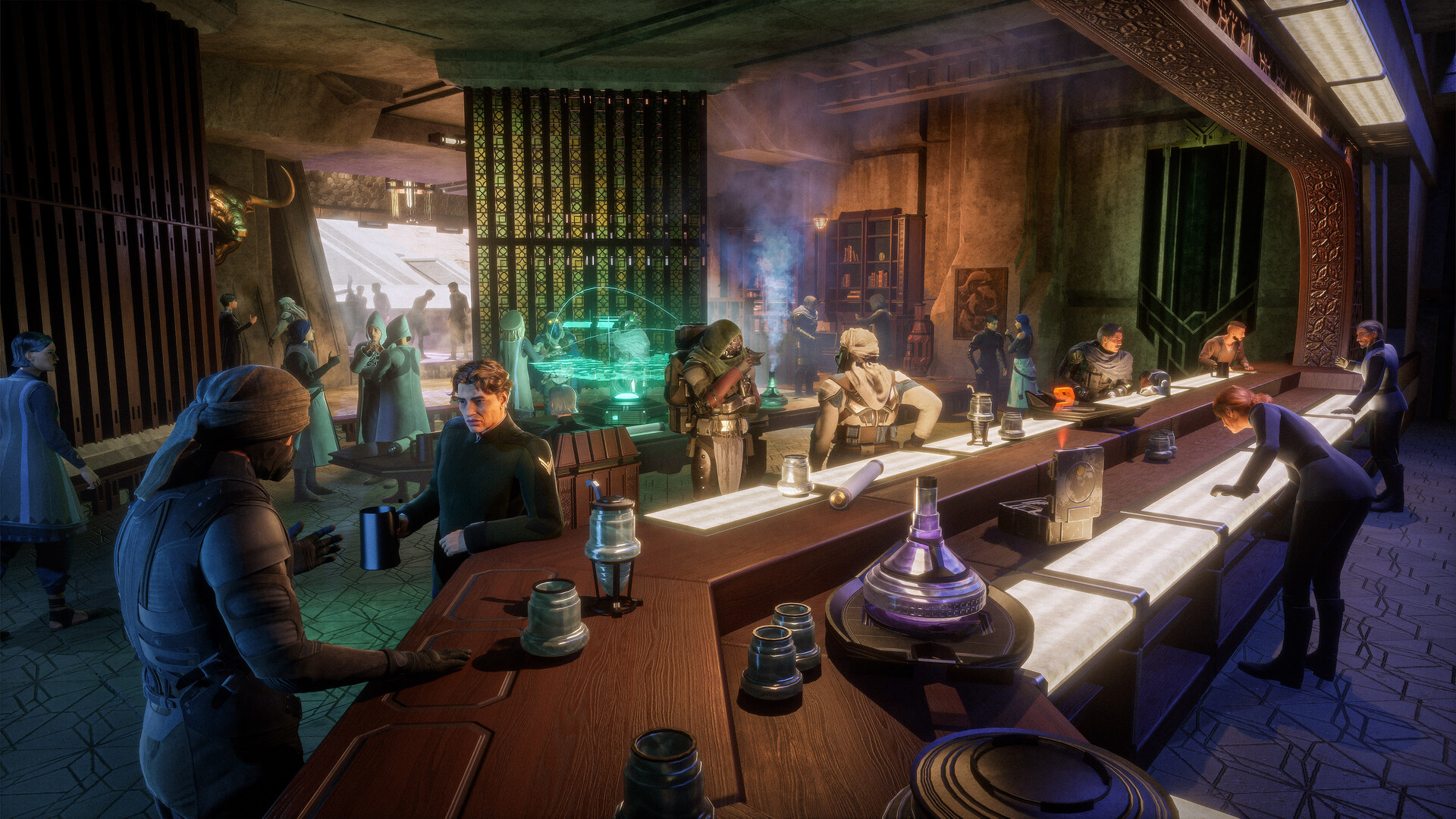
Homeworld is a purely narrative choice with no passive combat or crafting bonuses attached, despite some early rumors to the contrary. What it does grant is a unique Dialogue Trait that occasionally unlocks a special conversation option with NPCs, plus a homeworld-specific emote. There are five to pick from, each tied to a real planet from Frank Herbert’s Dune:
- Caladan: the oceanic ancestral homeworld of House Atreides. Dialogue Trait: Honorable. Emote: Atreides Salute.
- Giedi Prime: the industrial, toxic homeworld of House Harkonnen. Dialogue Trait: Deception. Emote: Harkonnen Curse.
- Chusuk: a world known throughout the Imperium for musical instruments and the arts. Dialogue Trait: Cultured. Emote: Chusuk Music.
- Kaitain: the former Imperial capital, all political intrigue and controlled weather. Dialogue Trait: Political. Emote: Kaitain Bow.
- Ix: the machine world, home to Ixian technologists who skirt the edges of the Butlerian Jihad’s proscriptions. Dialogue Trait: Technologist. Emote: Ixian Secret.
There’s no wrong answer here. Pick whichever backstory you’d actually want to roleplay, Atreides loyalist, Harkonnen opportunist, or something stranger, since the mechanical difference between all five is effectively zero.
Caste: Your Place in the Faufreluches
The Reverend Mother’s next question invokes the Faufreluches directly: “A place for every man and every man in his place.” Caste determines your character’s social standing, and like Homeworld, it’s another Dialogue Trait rather than a stat block. The three options are:
- Na-Familia: a member of a noble household or retinue, carrying certain privileges and protections. Effectively the aristocracy pick.
- Bondsman: the educated caste that serves the Great Houses and administers Imperial bureaucracy, casually called the citizen class. The middle ground option.
- Pyon: the vast peasant labor force bound to their Lord’s fief. The working class background.
Again, this is flavor for flavor’s sake. It shifts a handful of dialogue lines and how certain factions greet you, but it won’t lock you out of content or gate any gear behind your character’s birth status.
Mentor: The Choice That Actually Matters
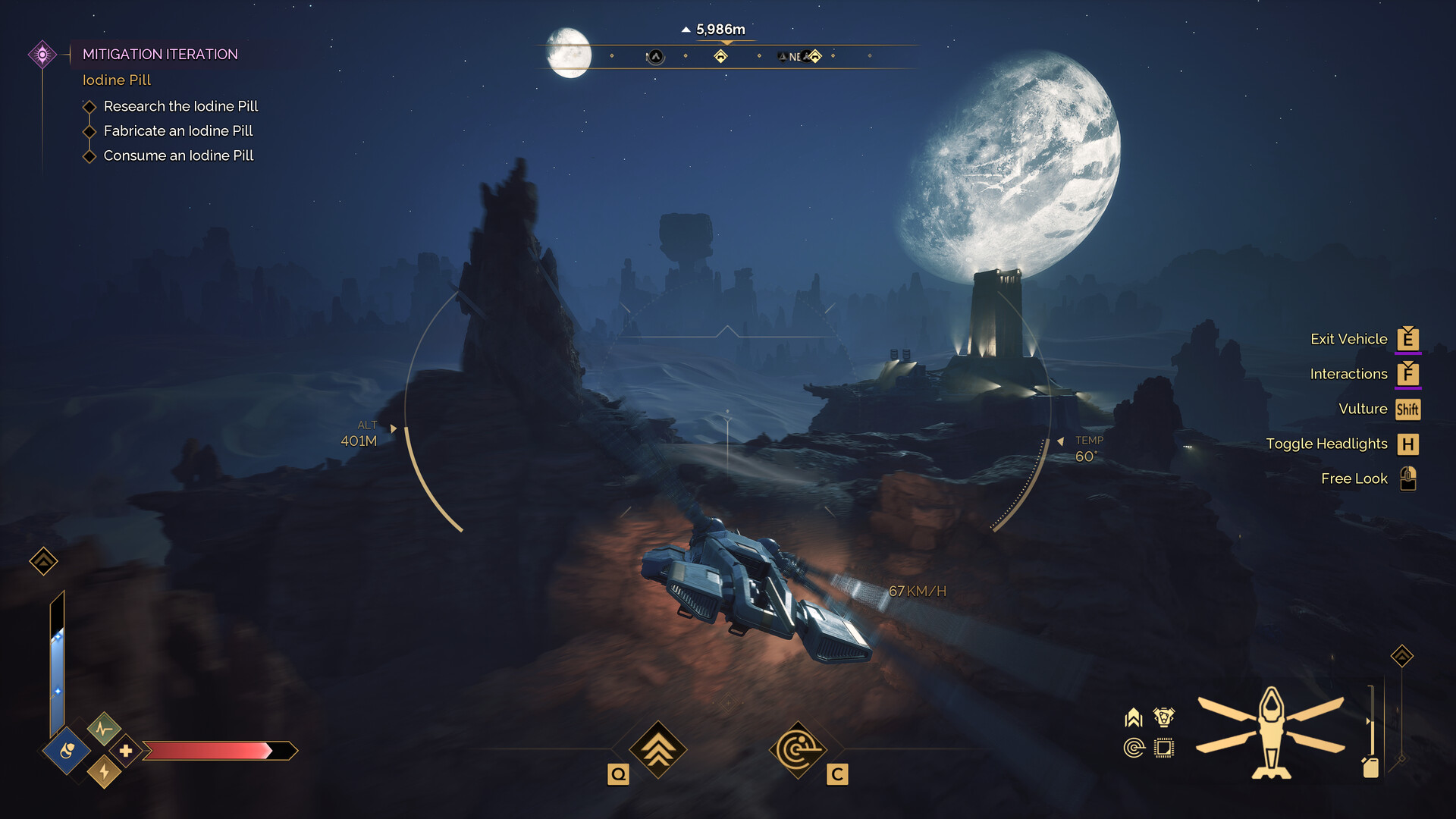
Mentor is where character creation stops being pure roleplay. This selection sets your starting class, your first unlocked ability, and which skill tree you’ll have the easiest early access to. You’ll eventually be able to train with every school’s instructor and mix abilities across classes, but your starting Mentor is locked in for good, so it’s worth understanding what each one actually gives you before you commit.
- Swordmaster: trained in the tradition of Ginaz, built for close-quarters combat. Starting ability is Knee Charge, a melee gap-closer, and the class leans into blocking, parrying, and dealing with enemies up close.
- Mentat: a human computer, all analysis and tactical planning. Starting ability is the Sentinel, a suspensor-mounted turret that uses motion detection to lay down automated covering fire, making early camps and testing stations far more manageable, especially solo.
- Bene Gesserit: the Sisterhood’s discipline of Voice and Prana-Bindu control. Starting ability is Compel, which pulls an enemy toward you, and the kit mixes crowd control with useful mobility skills like Bindu Sprint.
- Trooper: heavy weapons and Imperial military doctrine. Starting ability is the Shigawire Claw, a grappling hook that launches you toward a surface, which doubles as one of the best early traversal tools in the game regardless of what class you actually end up playing.
- Planetologist: the fifth and most recently added Mentor, focused on exploration and resource gathering rather than combat. It isn’t available at the very start of the game and has to be unlocked through the story, so it doesn’t appear as a day-one pick during initial character creation.
Of the four available at creation, Mentat tends to get the strongest early recommendation since the Sentinel turret trivializes a lot of dangerous early encounters and its trainer sits further out than most, making it worth having from the start rather than training into later. Trooper is the safer beginner pick precisely because its trainer is one of the very first you’ll meet, so the Shigawire Claw can be picked up within your first few hours even if you start as something else. Bene Gesserit rewards players who want flexibility between crowd control and mobility, while Swordmaster is the most straightforward pick for anyone who just wants to get into melee range and start swinging a blade.
What You Can Change Later (and What’s Locked Forever)
Here’s the part that trips up new Sleepers: Homeworld, Caste, and Mentor are all permanent once you step onto Arrakis. There’s no in-game respec for your background story, and your starting class can’t be swapped to a different base Mentor later, even though you can eventually learn abilities from every other school and build a hybrid loadout. If you’re chasing a specific starting ability like the Sentinel or the Shigawire Claw, get the Mentor choice right the first time.
Appearance is the exception. Since Chapter 2, Arrakeen and Harko Village both offer a re-customization service that lets you rework your character’s look, including importing and exporting your creation settings, without starting a new save. It’s still the only category that ever gets a do-over, so treat Homeworld, Caste, and especially Mentor as the decisions actually worth slowing down for.
Keep the adventure going! Check out more Gaming News on Gamersuniverse.
Picture Source: Steam



Pingback: Dune: Awakening Sniper Rifles: Every Spitdart Worth Hunting After the Console Launch - Gamersuniverse