Overwatch’s Aaron Keller Explains Why Some Heroes Get More Skins Than Others
Overwatch’s hero roster has grown past 50 characters, and keeping cosmetics evenly spread across all of them has become one of Team 4’s toughest balancing acts. In a recent group interview, game director Aaron Keller addressed the long-running complaint that some heroes, like Ana, Genji and Soldier 76, seem to get new skins far more often than others.
Popularity Still Drives the Pipeline
As a free to play title, Overwatch earns most of its revenue through cosmetics rather than a box price, and skins take real time and resources to prototype. Keller explained that every new hero or map added to the game spreads that production pool a little thinner, which pushes the team toward heroes with either a broad player base or a smaller but reliably spending fanbase, pointing to characters like Mercy, Kiriko, Juno and Widowmaker as examples of the latter.
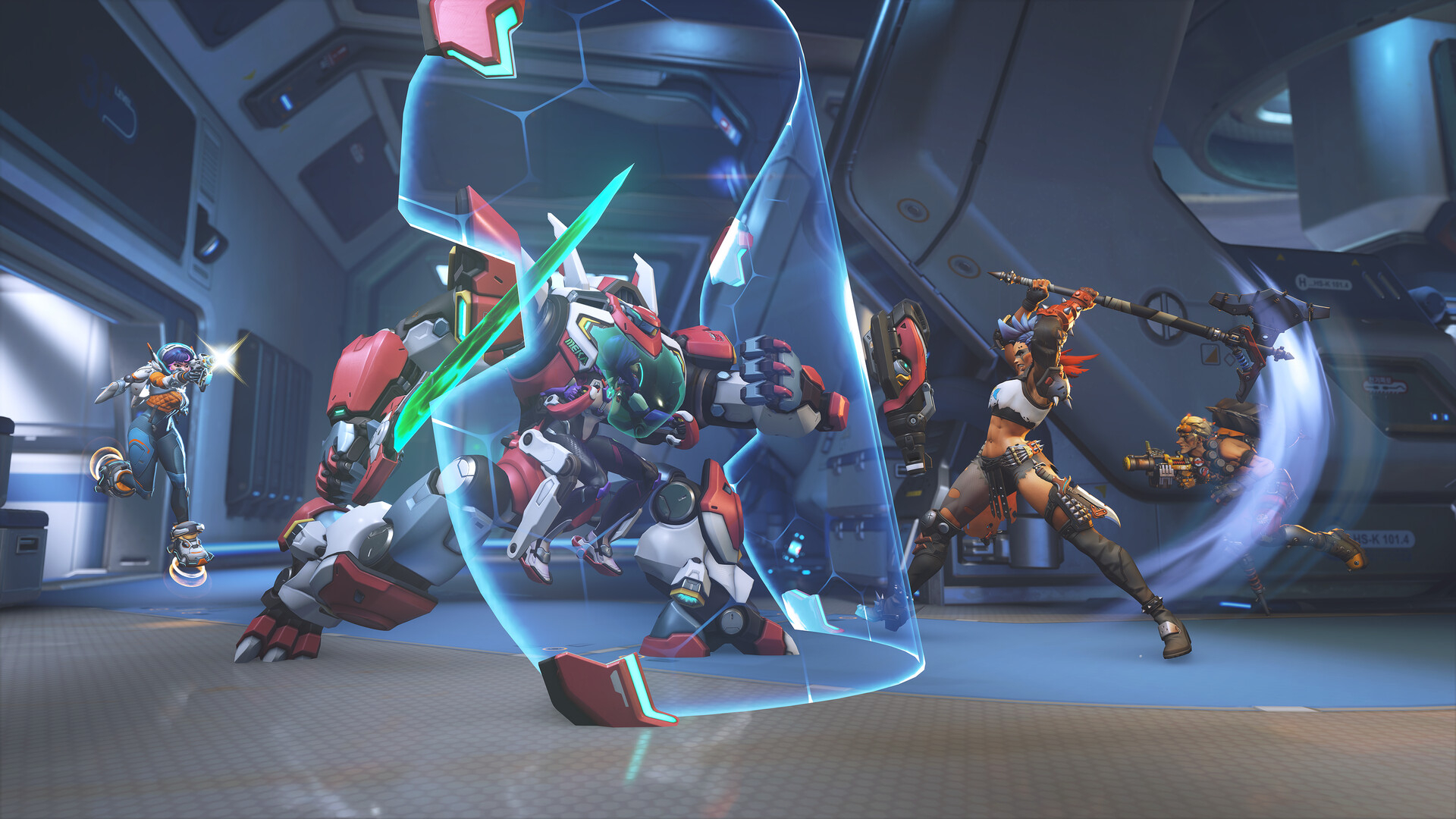
Overwatch’s hero roster has grown to over 50 characters, making even cosmetic coverage harder to maintain.
Expanding the Pool for Underserved Heroes
Keller said Team 4 has deliberately worked to widen cosmetic support for newer or less-covered heroes through recent skin collaborations, name-checking characters like Anran, Freyja and Vendetta as recent beneficiaries. He framed it as a kind of pay it forward system, where skins built to sell well help fund the ones made for heroes that won’t move as many units. Mythic skins, the game’s priciest cosmetic tier, work the same way: one of the two released each season typically goes to a hero expected to drive sales, while the other goes to a hero that has gone without one.
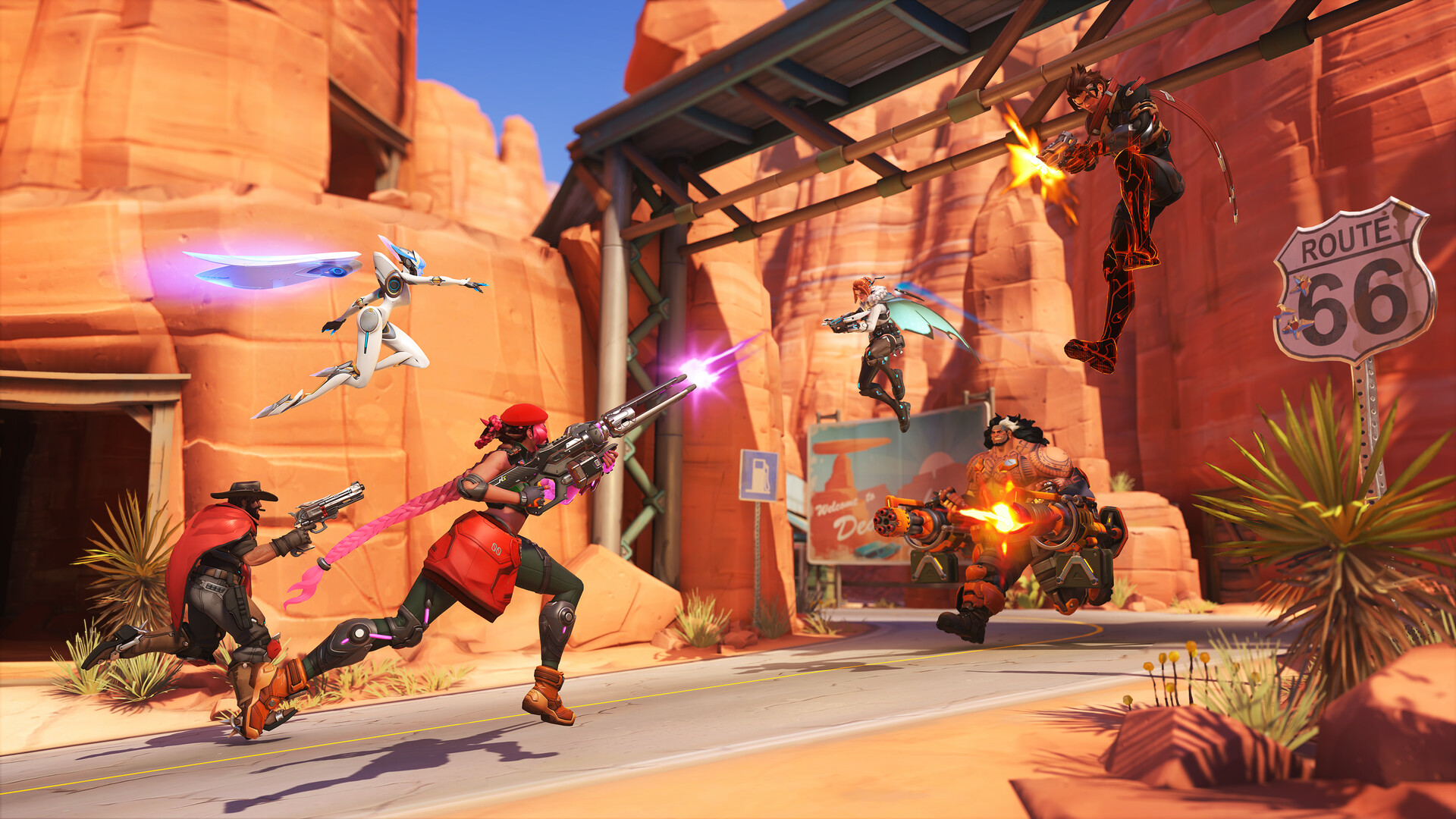
Mythic skins, Overwatch’s most expensive cosmetic tier, are split each season between a hero expected to sell well and one that has been overlooked.
A Business the Team Says It Takes Seriously
Keller acknowledged that the skin imbalance is something the team hears about constantly from players and said it genuinely factors into planning, even as financial reality limits how far that can go.
“We still always want to be doing it in a way that’s also responsible.”
Aaron Keller, Overwatch game director
Part of a Broader Pattern
This isn’t the first time this year that Team 4 has had to directly respond to community frustration over a design or monetization decision. Gamersuniverse previously covered associate director Alec Dawson’s admission that the Jetpack Cat and Bastion combo was dangerously strong even in testing, part of a broader pattern of the Overwatch team engaging openly with player feedback rather than staying quiet on contentious topics.
Keep the adventure going! Check out more Gaming News on Gamersuniverse.
Picture Source: Blizzard Entertainment