
MCU Watch Order 2026: The Right Way to Watch Every Marvel Movie and Show Before Avengers: Doomsday
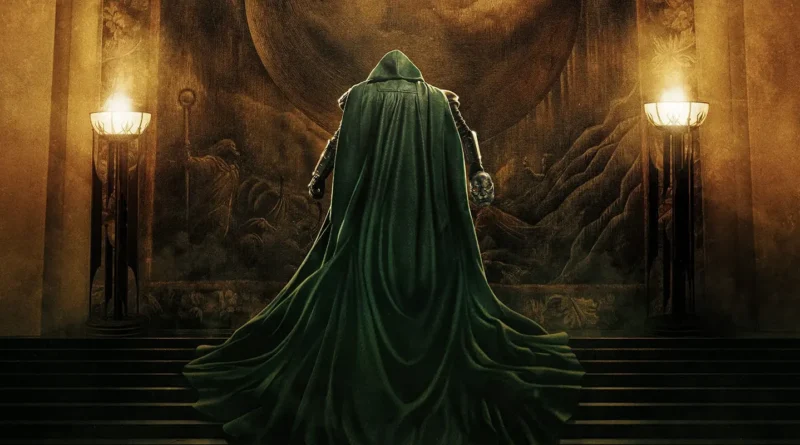
Avengers: Doomsday hits theaters on December 18, 2026, and it’s pulling together heroes from three different universes: the Avengers and New Avengers of Earth-616, the Fantastic Four of Earth-828, and the original X-Men from a timeline of their own. That’s a lot of history to catch up on, and with more than 50 MCU movies and Disney+ series now on the board, figuring out where to start (or where you left off) can feel like its own Infinity Stone level challenge. Here’s Gamersuniverse’s complete MCU watch order, built around what you actually need to know before Doomsday, what’s worth watching if you have time, and what you can safely skip.
Release Order or Chronological Order?
We recommend release order for a first watch. Marvel Studios built the MCU to reveal its twists in the order the movies came out, and going chronologically means running into Captain Marvel’s 1995 setting or Eyes of Wakanda’s centuries-old prologue before you’ve met a single Avenger. Chronological order is a fun second pass once you already know the characters, but for a first watch, or for catching up before Doomsday, release order is the way to go. That’s the order this guide follows.
Phase One: Where It All Begins (2008-2012)
- Iron Man (2008), must-see: the film that started the MCU. Nothing to watch first, this is where the whole watch order begins.
- The Incredible Hulk (2008), skippable: recast almost immediately and barely referenced since. Watch it only if you want completeness, you won’t miss anything by skipping it.
- Iron Man 2 (2010), good to see first: not essential on its own, but it introduces Black Widow and War Machine and sets up SHIELD’s larger plans ahead of The Avengers.
- Thor (2011), must-see: brings in Asgard, the Tesseract, and the cosmic side of the MCU that eventually matters a lot for Loki and the Infinity Saga.
- Captain America: The First Avenger (2011), must-see: sets up Steve Rogers, the Tesseract’s origin, and the WWII backstory the Russo Brothers keep returning to.
- The Avengers (2012), must-see: the first team-up and the blueprint for every crossover event that follows, including Doomsday.
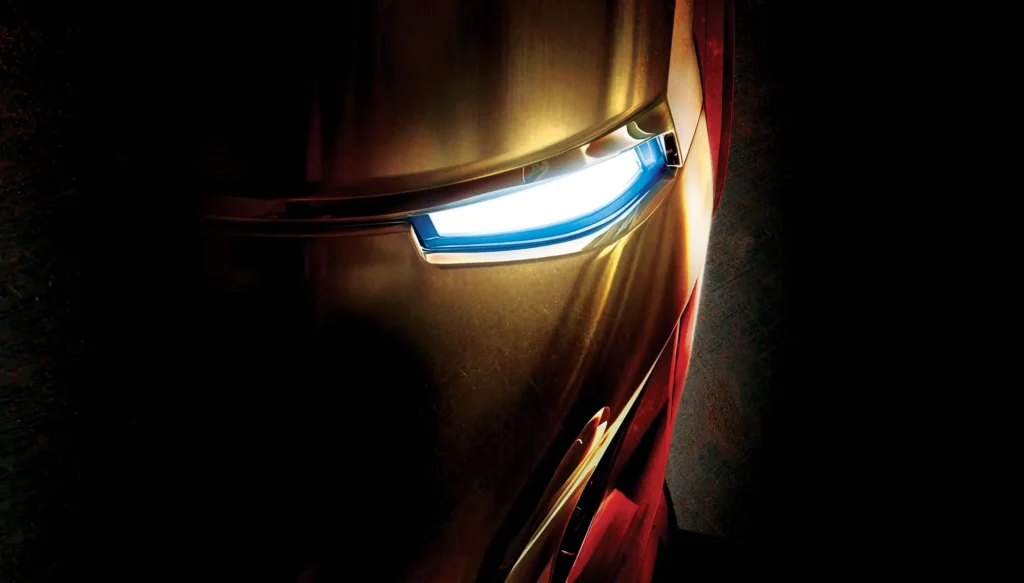
Iron Man (2008) is where the entire MCU watch order begins
Phases Two and Three: The Infinity Saga (2013-2019)
This stretch is the longest part of the watch order, and it’s where the “must-see versus skippable” question gets the most interesting. Here’s how each entry breaks down.
- Iron Man 3 (2013), skippable: a fun standalone story with a divisive Mandarin twist, but it has little bearing on anything after it.
- Thor: The Dark World (2013), skippable: widely considered the weakest MCU film, though it does explain where the Reality Stone ends up, which matters much later.
- Captain America: The Winter Soldier (2014), must-see: dismantles SHIELD and reshapes the entire spy side of the MCU going forward.
- Guardians of the Galaxy (2014), must-see: introduces the cosmic team that becomes essential to Infinity War and Endgame.
- Avengers: Age of Ultron (2015), good to see first: introduces Vision and Scarlet Witch, both major players later, though the plot itself is skippable in a pinch.
- Ant-Man (2015), good to see first: mostly standalone, but it lays out the Quantum Realm rules that Endgame later depends on.
- Captain America: Civil War (2016), must-see: splits the Avengers apart and introduces Black Panther and the MCU’s Spider-Man.
- Doctor Strange (2016), must-see: brings magic and the multiverse into the MCU, both central to everything from Loki to Doomsday.
- Guardians of the Galaxy Vol. 2 (2017), good to see first: deepens the Guardians before Infinity War, but skippable if you’re short on time.
- Spider-Man: Homecoming (2017), good to see first: not required for the Avengers arc, but essential if you want Peter Parker’s story to make sense later.
- Thor: Ragnarok (2017), must-see: destroys Asgard and directly sets the stage for Infinity War’s opening.
- Black Panther (2018), must-see: establishes Wakanda’s role, which becomes critical in Endgame and again in Doomsday.
- Avengers: Infinity War (2018), must-see: the first half of the Infinity Saga’s finale, non-negotiable viewing.
- Ant-Man and the Wasp (2018), good to see first: explains the Quantum Realm mechanics Endgame uses to undo the Snap.
- Captain Marvel (2019), good to see first: not required, but it’s a smoother watch if you meet Carol Danvers before she shows up in Endgame.
- Avengers: Endgame (2019), must-see: the culmination of eleven years of setup, the single most essential watch on this list next to Doomsday itself.
- Spider-Man: Far From Home (2019), good to see first: closes out the Infinity Saga and sets up Peter’s arc into No Way Home.
Phase Four: The Multiverse Saga Opens (2021-2022)
- WandaVision (2021), must-see: sets up Wanda’s arc into Doctor Strange in the Multiverse of Madness and, eventually, Agatha All Along.
- The Falcon and the Winter Soldier (2021), good to see first: transitions Sam Wilson into Captain America, useful context before Brave New World.
- Loki Season 1 (2021), must-see: introduces the multiverse, Kang’s variants, and the branching timelines that Doomsday’s premise grows out of.
- Black Widow (2021), skippable: a prequel with little forward impact beyond introducing Yelena Belova, who does return in Thunderbolts* and Doomsday.
- What If…? Season 1 (2021), skippable: fun animated detours, not required viewing.
- Shang-Chi and the Legend of the Ten Rings (2021), good to see first: Shang-Chi returns in Doomsday, so this is worth catching if you have time.
- Eternals (2021), skippable: mostly self-contained so far, with minimal crossover impact.
- Hawkeye (2021), good to see first: introduces Kate Bishop and sets up Echo.
- Spider-Man: No Way Home (2021), must-see: a genuine multiverse event that reshapes Peter Parker’s entire arc.
- Moon Knight (2022), skippable: self-contained, no major ties to the wider MCU yet.
- Ms. Marvel (2022), good to see first: introduces Kamala Khan ahead of The Marvels.
- Thor: Love and Thunder (2022), skippable: entertaining but light on consequences for the wider story.
- She-Hulk: Attorney at Law (2022), skippable: mostly standalone and comedic.
- Black Panther: Wakanda Forever (2022), must-see: introduces Namor, who returns for Doomsday, and reshapes Wakanda’s future.
- The Guardians of the Galaxy Holiday Special (2022), skippable: a fun extra, not required.
Phase Five: Setting the Board for Doomsday (2023-2025)
- Ant-Man and the Wasp: Quantumania (2023), good to see first: introduces Kang properly, though later recasting complicates his future role.
- Secret Invasion (2023), skippable: low impact on the wider story and one of the more divisive entries.
- Guardians of the Galaxy Vol. 3 (2023), must-see: closes out the Guardians trilogy properly.
- Loki Season 2 (2023), must-see: wraps up the Kang multiverse arc and directly sets the tone for the threats Doomsday deals with.
- Echo (2024), skippable: standalone, though it connects into Daredevil: Born Again.
- Agatha All Along (2024), skippable: a fun witches-focused spinoff, not required for Doomsday.
- Deadpool & Wolverine (2024), good to see first: brings the X-Men era into MCU canon, which matters a lot for Doomsday’s mutant characters.
- Daredevil: Born Again Season 1 (2025), good to see first: reestablishes Daredevil ahead of his Phase Six seasons.
- Ironheart (2025), skippable: standalone introduction for Riri Williams.
- Thunderbolts* (2025), must-see: directly sets up the New Avengers team and the Sentry, both central to Doomsday’s opening.
- The Fantastic Four: First Steps (2025), must-see: introduces the Earth-828 Fantastic Four exactly as they appear in Doomsday.
- Eyes of Wakanda (2025), skippable: an animated anthology set centuries in the past.
- Marvel Zombies (2025), skippable: an animated alternate-universe series with no ties to the main timeline.
Phase Six: The Final Countdown to Doomsday
- Wonder Man (2026), skippable: a standalone Hollywood-set comedy with no direct link to Doomsday.
- Daredevil: Born Again Season 2 (2026), good to see first: continues Matt Murdock’s story into the Phase Six era.
- X-Men ’97 Season 2 (2026), skippable: a beloved animated continuation, but separate from the live-action X-Men in Doomsday.
- Spider-Man: Brand New Day (2026), good to see first: keeps Peter Parker’s story current, releasing just months before Doomsday.
- VisionQuest (2026), skippable: a spinoff following Vision, self-contained so far.
- Your Friendly Neighborhood Spider-Man Season 2 (2026), skippable: animated and separate from the live-action timeline.
- Avengers: Doomsday (December 18, 2026), must-see: the payoff for nearly two decades of setup, bringing the Avengers, the Fantastic Four, and the original X-Men together against Doctor Doom.
The Short Version, If You’re Short on Time
If Doomsday is only three months away and you can’t watch 50-plus movies and shows before then, here’s the essential-only path: Iron Man, The Avengers, Captain America: The Winter Soldier, Guardians of the Galaxy, Captain America: Civil War, Doctor Strange, Thor: Ragnarok, Black Panther, Avengers: Infinity War, Avengers: Endgame, WandaVision, Loki Seasons 1 and 2, Spider-Man: No Way Home, Black Panther: Wakanda Forever, Deadpool & Wolverine, Thunderbolts*, The Fantastic Four: First Steps, and then Avengers: Doomsday itself. That’s under 20 titles and it covers every major thread the new film is expected to pay off.
Keep the adventure going! Check out more Movies & Shows News on Gamersuniverse.
Picture Source: Marvel Studios


Pingback: Daredevil: Born Again Is Ending After Season 3, and Marvel's Already Lining Up a Spy-Thriller Replacement - Gamersuniverse
Pingback: Avengers: Endgame Reclaims the All-Time Box Office Record From Avatar - Gamersuniverse
Pingback: Samuel L. Jackson Confirms Nick Fury Will Skip Avengers: Doomsday, Return for Avengers: Secret Wars - Gamersuniverse