
Roguelike vs. Roguelite: What’s the Difference? The Complete Genre Guide
Ask ten gamers to define a roguelike and you’ll get ten slightly different answers, and at least three of them will mix it up with a roguelite without even noticing. The confusion is fair. Both genres throw you into randomly generated levels, both punish mistakes hard, and both trace their family tree back to a single ASCII dungeon crawler from 1980. But the line between them is real, and it comes down to one word: permanence.
Here’s the short version. A true roguelike wipes the slate completely clean on death, no persistent upgrades, no shortcuts, nothing carried forward except what you learned in your own head. A roguelite lets some part of your progress survive that death, a new weapon unlocked, a stat boost banked, a shortcut opened, so every failed run still moves you forward. That single design choice changes everything about how each genre feels to play, and it’s why the terms aren’t interchangeable, even if marketing copy treats them that way constantly.
Where It All Started: Rogue (1980)
The genre takes its name directly from Rogue, a text-based dungeon crawler built by Michael Toy and Glenn Wichman in 1980 while both were students at UC Santa Cruz. Rendered entirely in ASCII characters, Rogue sent players into a dungeon that regenerated its layout every single playthrough, with one unbreakable rule: die, and that character is gone for good. No reloads, no second chances, no take-backs.
Rogue spread across university networks through ARPANET and became a cult hit among computer science students long before “indie game” was a phrase anyone used. It directly inspired a wave of spiritual successors like Hack, Moria, NetHack, and Angband, deep, punishing dungeon crawlers that leaned even further into procedural generation and permanent death. Decades later, that entire family of games still shares Rogue’s name, and its DNA is still visible in nearly everything the genre has produced since.
The Berlin Interpretation: What Actually Makes a “True” Roguelike
By the 2000s, the term “roguelike” had been stretched to describe so many different games that the genre’s own hardcore community stepped in to draw a clearer line. At the 2008 International Roguelike Development Conference, a group of developers and fans put together what’s now known as the Berlin Interpretation, a checklist of traits a game should ideally have to count as a “true” roguelike.
- Random dungeon generation, so no two runs share the same layout
- Permadeath, with no reloading a save to undo a death
- Turn-based movement, giving players unlimited time to plan each move
- Grid-based movement across a tile-based map
- Non-modal gameplay, where combat and exploration use the same core interface
- Complexity deep enough to allow emergent, unscripted strategies
- Resource management, forcing tough choices about limited items and healing
- Hack-and-slash combat against large numbers of enemies
- Exploration and discovery, including unidentified items you learn about through use
Nobody expects every roguelike to check every one of these boxes perfectly, the Berlin Interpretation was always meant as a reference point rather than a strict rulebook. But it’s the reason genre purists still consider games like NetHack, Angband, and Dungeon Crawl Stone Soup the closest thing to the “real” article, decades after Rogue itself came out.
Enter the Roguelite: When Indie Developers Started Bending the Rules
As indie development boomed in the late 2000s and early 2010s, a new wave of developers fell in love with roguelike staples like procedural generation and permadeath but had zero interest in the ASCII graphics or turn-based combat that came bundled with them. Games like Spelunky (2008) swapped grid-based movement for real-time platforming while keeping randomized levels and permanent death intact. The Binding of Isaac (2011) did something similar with top-down twin-stick shooting. FTL: Faster Than Light (2012) applied the same formula to real-time strategy in space.
The community needed a word for these hybrids, games that captured the spirit of roguelikes without meeting the Berlin Interpretation’s stricter criteria, and “roguelite” (sometimes written “rogue-lite”) stuck. The defining addition most roguelites brought to the table was meta-progression: permanent upgrades, unlocks, or currency that survive a run even after your character dies, so every attempt still leaves you slightly stronger than the last one.
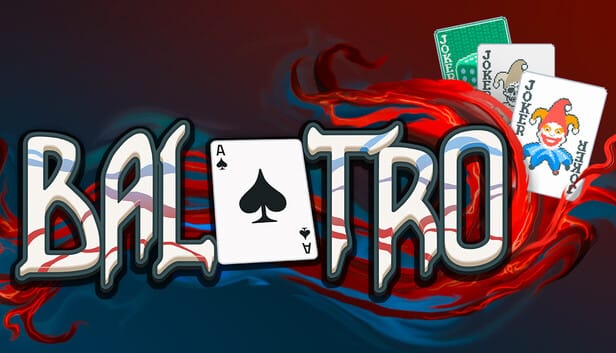
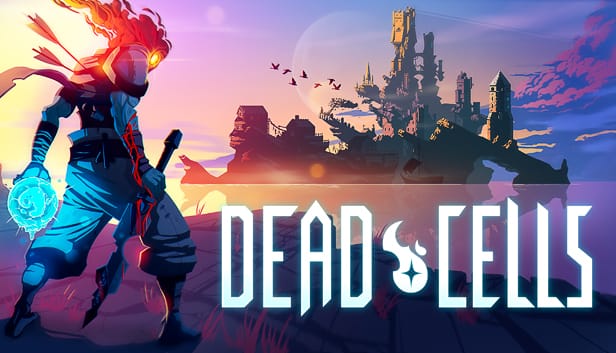
That single idea, letting failure still feel like forward progress, is arguably the biggest reason roguelites exploded in popularity over the last decade. Deck-builders like Slay the Spire and Balatro built entire card-based economies around it, while action games like Dead Cells and Hades used it to soften the sting of permadeath with genuine character growth players could see and feel between attempts.
Roguelike vs. Roguelite: The Key Differences at a Glance
- Permadeath: Roguelikes almost always mean death is absolute and total. Roguelites often keep permadeath for the current run, but let the player carry meaningful progress into the next one.
- Meta-progression: Classic roguelikes reject persistent upgrades outright. Roguelites are typically built around them, from unlocked weapons to permanent stat boosts.
- Structure: Roguelikes lean turn-based and grid-based by tradition. Roguelites frequently trade that structure for real-time action, platforming, deck-building, or nearly any other genre imaginable.
- Difficulty curve: Roguelikes tend to demand mastery entirely through player skill and knowledge. Roguelites often let the game itself get easier over time as unlocks accumulate.
Neither approach is objectively better, they’re just built around different kinds of tension. Roguelikes ask you to trust your own accumulated knowledge and improvisation skills run after run. Roguelites ask you to trust that even a bad run is still buying you something permanent, which tends to make them a gentler on-ramp for players who usually bounce off punishing genres.
Popular Roguelikes and Roguelites Worth Playing Right Now
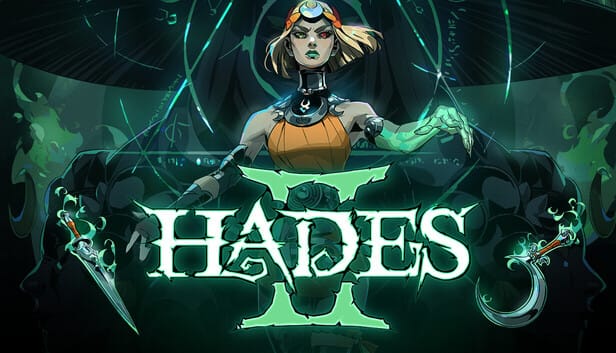
If you want the traditional experience, dungeon crawlers like NetHack, Angband, and the actively updated Dungeon Crawl Stone Soup remain the gold standard for players chasing the genre’s ASCII roots and unforgiving permadeath. If a friendlier entry point sounds better, Hades II, which left early access with its full 1.0 launch in September 2025, wraps meta-progression and Greek mythology around some of the smoothest action combat the genre has ever seen. Balatro proved a roguelike run structure could carry an entire poker-themed deck-builder to the top of global sales charts, and Dead Cells and Slay the Spire remain two of the most consistently recommended roguelites for newcomers trying to understand what all the fuss is about.
Which One Should You Play?
If the idea of losing everything on death sounds like the whole point, chase down a traditional roguelike and lean into the genre’s original, uncompromising design. If you’d rather feel your character grow stronger even through failed runs, almost any modern roguelite will scratch that itch instead. Plenty of players end up loving both for exactly opposite reasons, and now that you know what actually separates them, you won’t confuse the two again.
Keep the adventure going! Check out our latest posts for more guides, reviews and gaming news here: Guides
Picture Sources: Supergiant Games (via Steam), LocalThunk / Playstack (via Steam), Motion Twin (via Steam), all official store artwork.


Pingback: What Is a Soulslike Game? The Complete Genre Guide - Gamersuniverse