
What Is a Soulslike Game? The Complete Genre Guide
Ask a room full of gamers to define a soulslike and you’ll get a dozen different answers, most of them starting with “games that are hard like Dark Souls.” That’s not wrong, exactly, but it’s not the whole picture either. Difficulty is the headline, not the definition. The real DNA of a soulslike is a very specific set of design choices around death, progress, and combat, choices one Japanese studio stumbled into back in 2009 and that dozens of other developers have been remixing ever since.
So what actually makes a game a soulslike, where did the term come from, and which games are worth your time right now? Here’s the complete breakdown.
Where It All Started: Demon’s Souls (2009)
The genre begins with Demon’s Souls, a PlayStation 3 exclusive directed by Hidetaka Miyazaki at FromSoftware and released in Japan in February 2009. At the time, it looked like a niche, punishingly difficult action RPG that publishers weren’t even confident would sell outside Japan. Instead, word of mouth turned it into a cult hit, and Miyazaki’s follow-up, Dark Souls, took the same foundation worldwide in 2011.
Dark Souls is where the genre’s name actually comes from, and by the time the Dark Souls trilogy wrapped up with Dark Souls III in 2016, “soulslike” had become the industry’s shorthand for any game built around the same core loop: die constantly, learn from every death, and come back smarter rather than just stronger.
The Defining Features of a Soulslike
Not every hard game is a soulslike, and not every soulslike is brutally hard in the same way. What actually ties the genre together is a specific bundle of mechanics:
- Checkpoint-based recovery: Bonfires, lanterns, or similar rest points act as your only safe spaces, and resting at one typically respawns every regular enemy in the area.
- Meaningful, recoverable death: Dying drops your currency or experience at the exact spot you died, and you get exactly one chance to walk back and reclaim it before it’s gone for good.
- Stamina-based combat: Every attack, dodge, and block draws from a shared stamina bar, forcing you to commit to actions rather than button-mash your way through a fight.
- Environmental storytelling: Plot and lore are buried in item descriptions, ruined architecture, and cryptic NPC dialogue instead of cutscenes, rewarding players who actually stop to read and explore.
- Interconnected, methodical level design: Areas loop back on themselves through shortcuts and elevators, turning exploration itself into a puzzle worth solving.
- Difficulty through fairness, not randomness: Enemy attacks are telegraphed and consistent every time, so losing almost always feels like a mistake you can fix rather than bad luck.
From Dark Souls to Soulsborne: FromSoftware’s Own Evolution
FromSoftware didn’t just invent the genre and walk away, it kept reinventing its own formula. Bloodborne (2015) stripped out shields almost entirely and rewarded aggressive, fast-paced combat instead of turtling behind a block. Sekiro: Shadows Die Twice (2019) went even further, moving away from the traditional souls-based leveling grind in favor of a skill-tree progression system built around a posture-breaking parry mechanic and a single katana. Fans affectionately lump FromSoftware’s Souls games together with Bloodborne under the nickname “Soulsborne.”
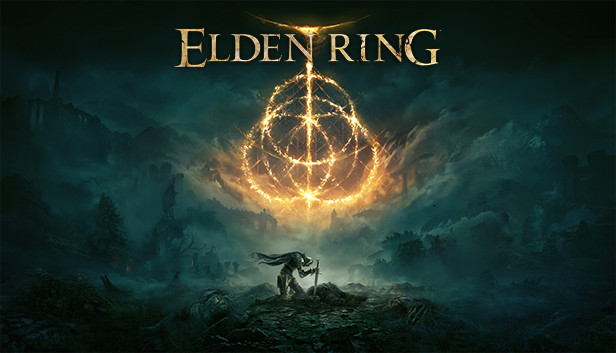
Then came Elden Ring in 2022, co-written with author George R. R. Martin, which took every core soulslike mechanic and dropped it into a massive open world for the first time. It became FromSoftware’s biggest commercial success by far and proved the genre’s punishing combat could work just as well without a linear, hand-crafted path guiding every step. The 2025 co-op spin-off Elden Ring Nightreign pushed the formula even further into roguelite territory, and a new Tarnished Edition update is rolling out to Elden Ring across all platforms later in 2026.
Beyond FromSoftware: How Other Studios Made the Genre Their Own
Plenty of other studios spent the last decade proving soulslikes don’t need the FromSoftware name attached to work. Team Ninja’s Nioh (2017) fused the formula with Japanese folklore and a stance-based combat system borrowed from its own Ninja Gaiden lineage. Lords of the Fallen first launched in 2014 as one of the earliest non-FromSoftware attempts at the genre, and studio Hexworks rebuilt it from the ground up as a dark fantasy epic in 2023, with a true sequel, Lords of the Fallen II, now confirmed for a 2026 release.
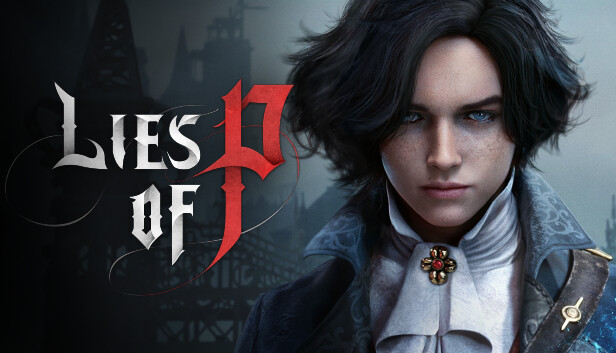
More recently, Neowiz’s Lies of P reimagined the story of Pinocchio as a gothic, mechanical nightmare and became one of the most acclaimed soulslikes not made by FromSoftware, strong enough that it earned a full expansion, Overture, in 2025. Titles like Salt and Sanctuary, Mortal Shell, Wo Long: Fallen Dynasty, Another Crab’s Treasure, and Enotria: The Last Song have each taken the same core loop in stranger and more personal directions, from 2D metroidvania hybrids to a soulslike starring a hermit crab.
Soulslike vs. Roguelike: Don’t Mix Them Up
It’s easy to lump soulslikes in with roguelikes and roguelites since all three genres share a reputation for brutal difficulty, but they’re built on completely different foundations. Soulslikes keep a persistent, hand-crafted world and let you retry the exact same fixed layout as many times as it takes. Roguelikes and roguelites, on the other hand, are defined by procedurally generated levels and permadeath resetting your run from scratch every single time. If you want the full breakdown of that other side of the difficulty spectrum, our Roguelike vs. Roguelite guide covers it in detail.
Notable Soulslikes to Watch in 2026
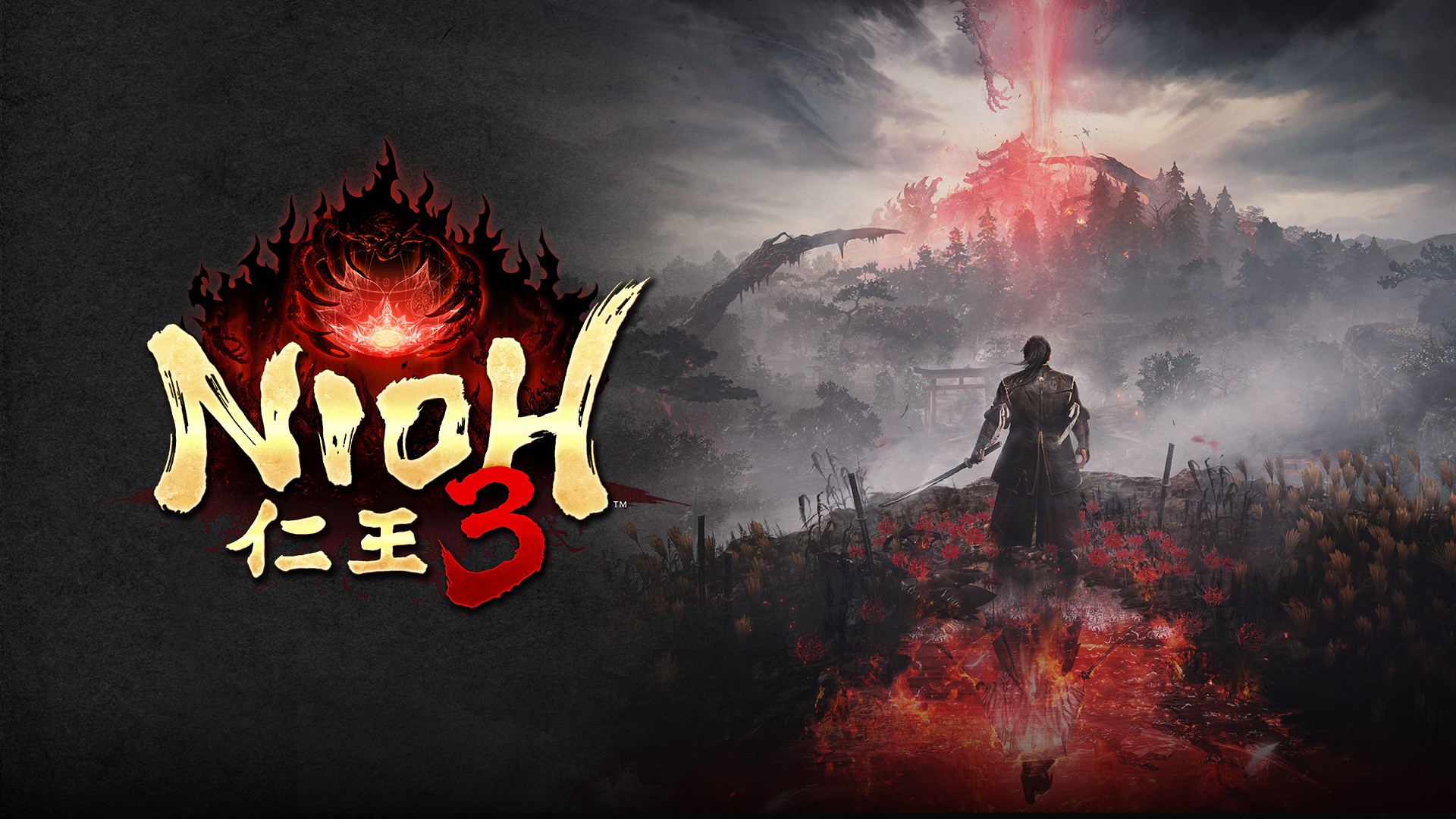
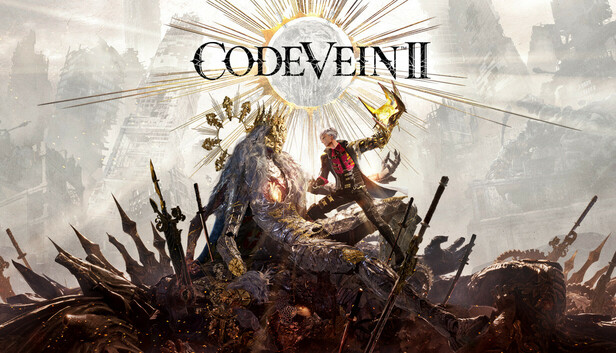
The genre isn’t slowing down in 2026. Bandai Namco kicked the year off with Code Vein II, which launched on January 30 and continues the original’s anime-inspired take on vampiric combat with a new cast and setting. A week later, Team Ninja followed up with Nioh 3 on February 6, sending players across multiple eras of Japanese history to battle Yokai with an expanded dual-stance combat system.
Later in the year, Hexworks’ Lords of the Fallen II is set to arrive as a full sequel to its 2023 reboot, and FromSoftware’s own Elden Ring Tarnished Edition content adds new gear across every platform. If you’ve already dived into that one, we’ve got the full breakdown of its Switch 2 launch here.
Why the Genre Isn’t Slowing Down
What started as one studio’s risky, unmarketable experiment has become one of the most durable formulas in modern gaming, precisely because it treats players as capable of learning rather than needing to be babied. Seventeen years after Demon’s Souls, developers are still finding new settings, combat systems, and stories to hang that same core promise on: fair difficulty, earned progress, and the satisfaction of finally beating the thing that kept killing you. As long as that feeling keeps selling, the genre isn’t going anywhere.
Keep the adventure going! Check out our latest posts for more guides, reviews and gaming news here: Guides
Picture Sources: FromSoftware / Bandai Namco (via Steam), Neowiz (via Steam), Koei Tecmo / Team Ninja, Bandai Namco (via Steam), all official artwork.


Pingback: What Is a Metroidvania? The Complete Genre Guide - Gamersuniverse