What Is a Metroidvania? The Complete Genre Guide
Ask ten gamers what “metroidvania” means and you’ll probably get ten slightly different answers, most of them landing somewhere around “a 2D game where you explore and unlock stuff.” That’s close, but it misses what actually makes the genre tick. A metroidvania isn’t just about exploring, it’s about a very specific relationship between the map, the abilities you earn, and the way both keep reshaping each other over the course of the game.
So where does the name come from, what actually qualifies as a metroidvania, and which games define the genre today? Here’s the complete breakdown.
Where the Name Comes From: Metroid + Castlevania
“Metroidvania” is a portmanteau of Metroid and Castlevania, the two Nintendo and Konami franchises whose games are credited with inventing and then perfecting the formula. Nobody claims to have coined the term on purpose, it grew organically out of gaming forums and early 2000s game journalism as fans looked for a quick way to describe games that borrowed from both series. Journalist Jeremy Parish is widely credited with popularizing it after picking it up from a colleague at 1UP.com, and it eventually became common enough that Koji Igarashi, the director behind the genre’s most influential Castlevania entries, has said the name “fits very well” even though he never set out to invent a genre.
Not everyone loves the term. Some developers and critics prefer “search-action,” a translation of the Japanese descriptor used internally at Konami, or the more generic “action-adventure platformer.” But metroidvania is the name that stuck, and it’s the one you’ll see on Steam tags, review scores, and store pages everywhere.
The Defining Features of a Metroidvania
Plenty of 2D games involve exploring and fighting things, but a handful of specific design choices are what actually separate a metroidvania from a regular platformer:
- One large, interconnected map: Instead of separate levels, the whole game takes place on a single sprawling map made of connected rooms, usually revealed to the player through an in-game map screen as they explore.
- Ability-gated progression: Specific areas are blocked off until you find an item or power, like a double jump, a wall climb, or a beam weapon, that lets you physically reach or survive them.
- Deliberate backtracking: Earning a new ability sends you back through areas you’ve already visited, revealing shortcuts, secret rooms, and paths that were visible but unreachable the first time through.
- Permanent character growth: Health upgrades, new weapons, and ability improvements persist for the rest of the game, so your character is measurably stronger at the end than at the start, similar to a light RPG system.
- Boss encounters as gatekeepers: Major new abilities are frequently locked behind a boss fight, tying combat difficulty directly to the pace of your exploration.
- Save stations and fast travel: Larger, modern entries add save points and warp systems specifically to cut down on repetitive backtracking once the map gets big enough to need it.
The Foundational Games: From Metroid to Symphony of the Night
The genre’s roots go back to Metroid on the NES in 1986, which broke from the strictly linear platformers of its era by letting players wander a sprawling, interconnected alien planet and decide for themselves which paths to chase down first. Castlevania II: Simon’s Quest followed a year later with its own experiment in non-linear exploration, though it’s remembered today as a rougher, more confusing attempt at the same idea.
Super Metroid arrived on the SNES in 1994 and is still held up as one of the most influential games ever made, refining the original’s ideas with tighter controls, a more readable map, and the sequence-breaking secrets that speedrunners still dig into today. Then in 1997, Castlevania: Symphony of the Night took Metroid’s exploration structure and grafted RPG mechanics onto it, experience points, stat-boosting equipment, and a leveling system, creating what most historians consider the genre’s true template. It’s the game that gave “metroidvania” its second half.
The Indie Renaissance That Redefined the Genre
Metroidvanias mostly disappeared from big-budget development through the 2000s, kept alive instead by the indie scene. Cave Story, a free release from a solo Japanese developer in 2004, became a cult favorite built almost entirely as a love letter to Super Metroid. Shadow Complex brought the formula to Xbox Live Arcade in 2009 and proved a modern, commercially successful metroidvania was possible outside of Nintendo and Konami’s own franchises, and Guacamelee! added Metroid-style ability gating to a Mexican lucha libre setting in 2013.
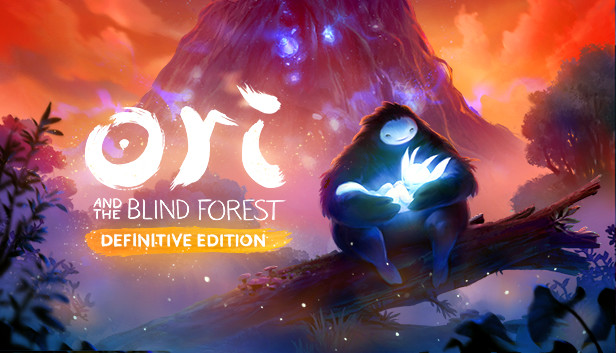
Ori and the Blind Forest pushed the genre’s presentation to new heights in 2015 with hand-painted art and an emotionally driven story wrapped around all the classic ability-gated exploration. Then Hollow Knight arrived in 2017 and became arguably the genre’s modern high-water mark, a massive, atmospheric insect kingdom built with an almost obsessive attention to interconnected map design that turned an entire generation of players into metroidvania converts.
Metroidvania vs. Soulslike and Roguelike: Don’t Mix Them Up
Metroidvanias get lumped in with other genres known for difficulty and repetition, but the foundations are different. A soulslike keeps a fixed, hand-crafted world and challenges you to master the same layout and boss patterns through repeated attempts, our full soulslike breakdown covers exactly what defines that genre. A roguelike or roguelite, on the other hand, regenerates its levels procedurally and resets your run entirely on death, which our roguelike vs. roguelite guide explains in detail. A metroidvania is different from both, its map is fixed and persistent like a soulslike’s, but progress comes from permanently unlocking new abilities and routes rather than repeating a punishing combat loop or a randomized run.
The Genre in 2026: Silksong, Metroid Prime, and What’s Next
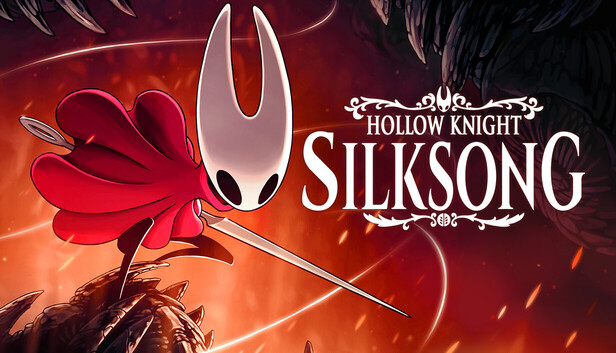
The metroidvania genre is arguably more popular right now than it has ever been. Hollow Knight: Silksong, Team Cherry’s long-awaited follow-up to their 2017 hit, finally launched on September 4, 2025, across every major platform simultaneously, and its release became one of the biggest gaming moments of the year, drawing in players who had been anticipating it for the better part of a decade.
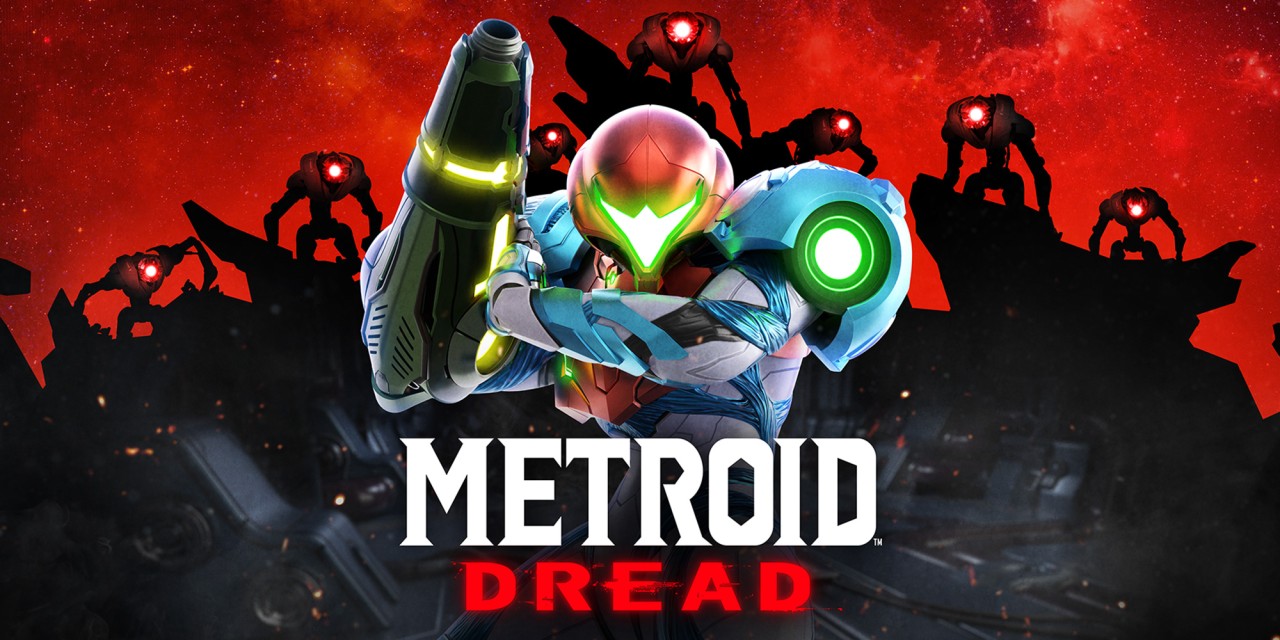
Nintendo’s own flagship series hasn’t slowed down either. Metroid Dread brought the classic 2D formula back in 2021 after a nineteen-year wait for a mainline entry, and Metroid Prime 4: Beyond carried the series’ ability-gated exploration into first-person 3D, launching on both Switch and Switch 2 on December 4, 2025. With thousands of games now tagged “metroidvania” on Steam alone, the genre shows no sign of running out of new worlds to lock players out of and then slowly let them back in.
Why Metroidvanias Keep Pulling Players Back In
What makes the genre so durable is how well it plays with memory. A door you couldn’t open three hours ago becomes a genuine “aha” moment the second you finally have the right ability, and the map itself becomes a kind of puzzle you’re solving in your head between play sessions. Four decades after the original Metroid, that specific feeling, of a world that trusts you to remember it, is still one of gaming’s most satisfying tricks, and it’s exactly why new metroidvanias keep finding an audience every single year.
Keep the adventure going! Check out our latest posts for more guides, reviews and gaming news here: Guides
Picture Sources: Team Cherry (via Steam), Moon Studios / Xbox Game Studios (via Steam), Nintendo, all official artwork.